Setting up a cement factory in Nigeria is a significant investment that involves several components. Here's an overview of the key factors and costs you might expect:
-
Land Acquisition:
- Cost varies by location but prime industrial land can be expensive.
- Consider accessibility to raw materials and transportation networks.
-
Construction Costs:
- Building the facility requires substantial capital outlay.
- Includes costs for plant infrastructure, administrative buildings, and storage facilities.
-
Machinery and Equipment:
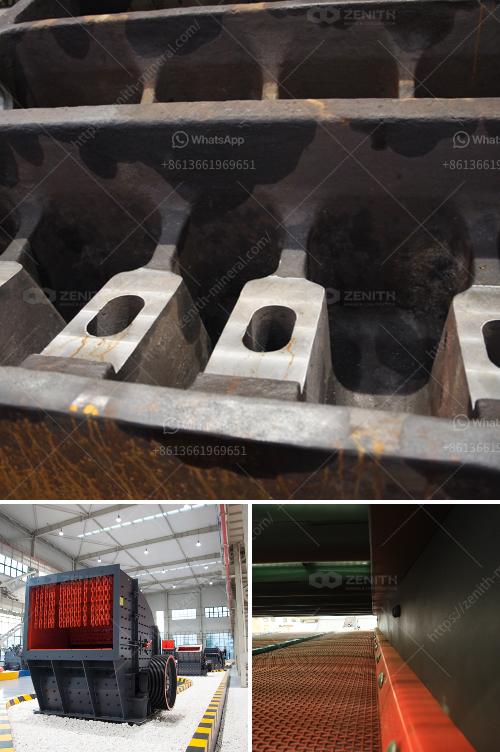
- High-capacity production machinery is essential, and costs can run into millions of dollars.
- Includes crushers, kilns, mills, and packing machines.
-
Raw Materials:
- Limestone, clay, and other materials need to be sourced, often requiring mining operations.
-
Labor:
- Initial hiring and training of skilled and unskilled workers.
-
Regulatory Compliance:
- Licensing, environmental permits, and adherence to local and federal regulations.
- Potential costs for Environmental Impact Assessments (EIA) and other certifications.
-
Utilities and Infrastructure:
- Reliable power supply and access to water are crucial.
- Costs for setting up or connecting to infrastructure services.
-
Logistics and Distribution:
- Ensuring an efficient system for transporting raw materials to the plant and finished products to the market.
- Investment in vehicles, storage, and distribution networks.
-
Financial Costs:
- Interest on loans and other financing costs.
- Potential need for working capital and reserves.
-
Contingencies:
- Budget for unexpected expenses and cost overruns.
As of the latest data, setting up a cement factory in Nigeria could cost anywhere from $150 million to $500 million USD, depending on the scale and level of sophistication. Because costs can fluctuate due to various factors, including economic conditions and local market prices, it is advisable to conduct a detailed feasibility study and consult with industry experts.