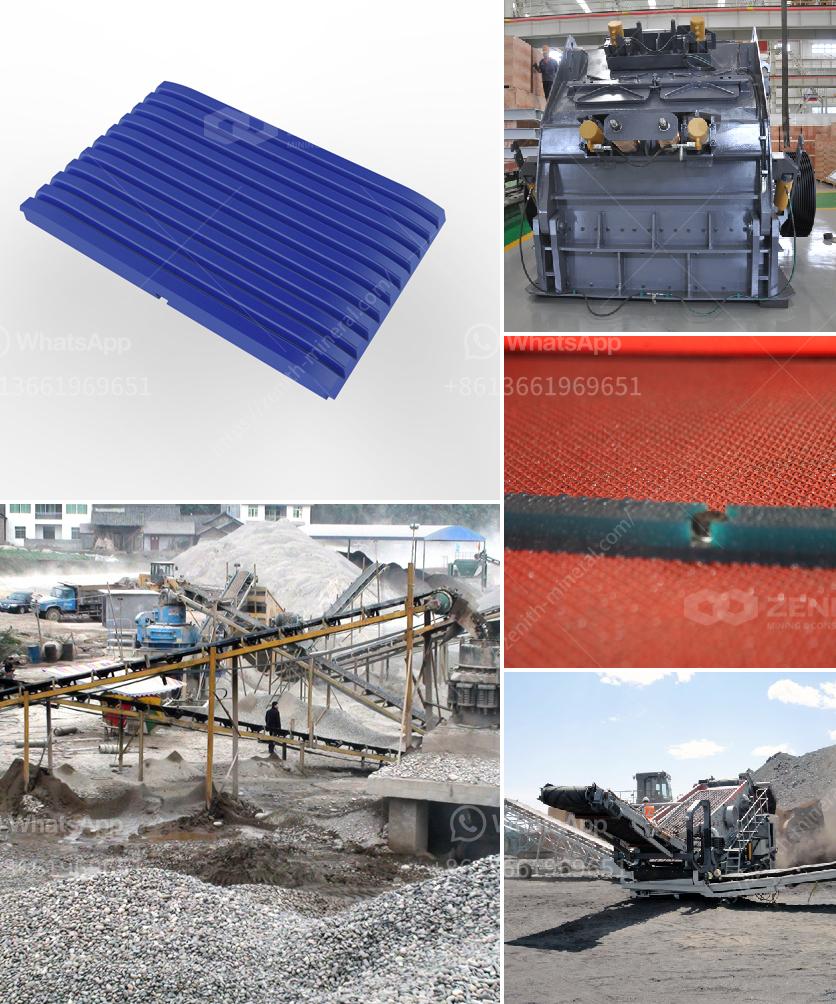
Using a granite crusher involves several steps to ensure safety, efficiency, and the desired outcome. Here’s a detailed guide on how to use a granite crusher:
1. Preparation
a. Safety Gear
Before operating the granite crusher, ensure you are wearing the appropriate safety gear:
- Helmet: Protects your head from falling debris.
- Safety Glasses: Shields your eyes from dust and small particles.
- Gloves: Protects your hands from sharp edges and rough surfaces.
- Ear Protection: Reduces the risk of hearing damage from the loud noise of the crusher.
- Dust Mask: Prevents inhalation of fine granite dust.
b. Inspection
- Check the Crusher: Inspect the crusher for any signs of wear and tear. Ensure all parts are in good working condition.
- Clear the Area: Make sure the area around the crusher is clear of any obstructions or hazards.
2. Setting Up the Crusher
a. Positioning
- Stable Surface: Place the crusher on a stable, level surface to prevent it from tipping over during operation.
- Secure the Crusher: If necessary, secure the crusher to the ground or a sturdy platform to ensure it remains stationary.
b. Power Supply
- Electrical Crushers: Ensure the crusher is connected to a reliable power source. Check the voltage requirements and make sure the power supply matches.
- Fuel-Powered Crushers: For fuel-powered crushers, check the fuel level and ensure there is enough fuel for the operation.
3. Feeding the Crusher
a. Granite Size
- Pre-Crushing: If the granite pieces are too large, consider breaking them down into smaller, more manageable sizes before feeding them into the crusher.
- Uniform Feeding: Feed the granite into the crusher in a uniform manner to prevent clogging and ensure efficient crushing.
b. Feeding Mechanism
- Manual Feeding: If feeding manually, use tools to push the granite into the crusher to avoid getting too close to the crushing mechanism.
- Automatic Feeders: If the crusher has an automatic feeding mechanism, ensure it is functioning correctly and adjust the feed rate as needed.
4. Operating the Crusher
a. Starting the Crusher
- Follow Instructions: Refer to the manufacturer’s manual for specific instructions on starting the crusher.
- Gradual Start: Start the crusher gradually to avoid sudden jolts that could damage the machine or cause injury.
b. Monitoring the Process
- Consistent Monitoring: Keep an eye on the crusher while it is operating. Listen for any unusual noises that could indicate a problem.
- Adjustments: Make any necessary adjustments to the feed rate or crusher settings to ensure optimal performance.
5. Post-Operation
a. Shutting Down
- Turn Off Power: Once the crushing is complete, turn off the power supply to the crusher.
- Cool Down: Allow the crusher to cool down if it has been running for an extended period.
b. Cleaning and Maintenance
- Remove Debris: Clear out any remaining granite pieces or debris from the crusher.
- Inspect for Damage: Check the crusher for any signs of damage or wear and perform any necessary maintenance.
- Lubrication: Lubricate moving parts as recommended by the manufacturer to ensure smooth operation in future uses.
6. Storage
- Dry Environment: Store the crusher in a dry environment to prevent rust and corrosion.
- Cover: If possible, cover the crusher to protect it from dust and other environmental factors.
By following these detailed steps, you can safely and effectively use a granite crusher to achieve the desired results. Always refer to the specific instructions provided by the manufacturer of your granite crusher for the best practices and safety guidelines.