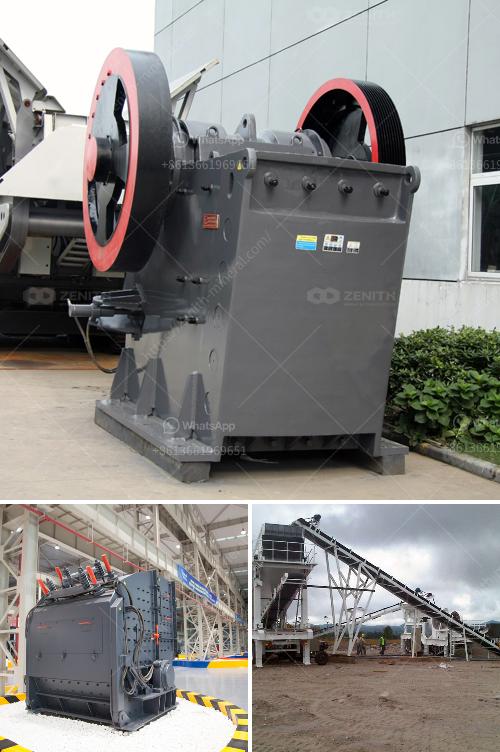
Industrial mineral milling machines are specialized equipment designed for the grinding and processing of minerals into fine powders or granulates. These machines are essential in various industries such as mining, construction, metallurgy, and ceramics, where the precise and efficient processing of materials is paramount.
Key features of industrial mineral milling machines include:
- High Precision Grinding: These machines offer advanced precision in grinding to achieve the desired particle size and distribution.
- Robust Construction: Built to endure heavy-duty usage, they are constructed from durable materials to withstand tough working conditions.
- Energy Efficiency: Modern milling machines incorporate energy-saving technologies to reduce power consumption while maintaining high output.
- Versatility: They can process a wide range of minerals including limestone, quartz, feldspar, and clay, adapting to different material properties and requirements.
- Automation and Control: Equipped with advanced control systems, these machines allow for automated operations, ensuring consistent product quality and reducing manual intervention.
- Scalability: From small-scale lab models to large industrial units, these machines can be scaled to meet various production needs.
Common types of industrial mineral milling machines include ball mills, Raymond mills, roller mills, and hammer mills. Each type offers distinct advantages depending on the specific application and material characteristics.
In summary, industrial mineral milling machines are critical in transforming raw minerals into valuable, finely milled products that are integral to multiple industrial processes.