To grind rock gold ore into fine powder, you need to follow a series of steps that involve crushing, milling, and sometimes additional processing to achieve the desired fineness. Here’s a detailed guide on how to do it:
1. Crushing the Ore
Primary Crushing:
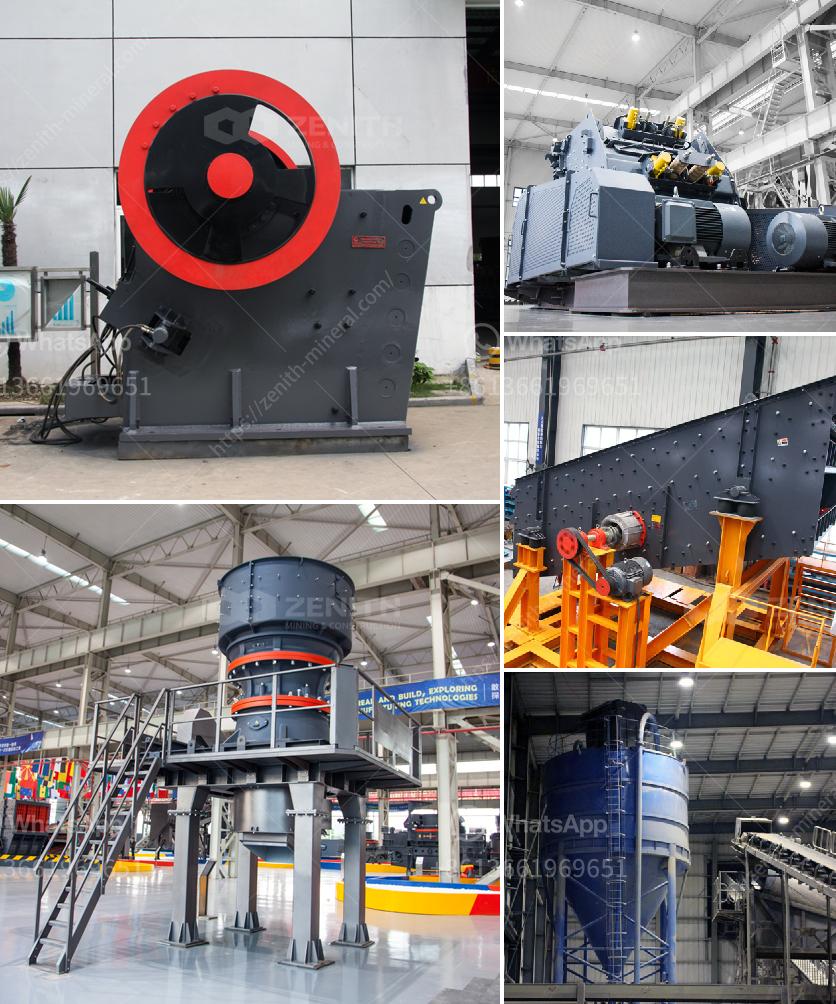
- Jaw Crusher: The first step is to use a jaw crusher to break down the large chunks of ore into smaller pieces. This machine uses compressive force to crush the ore between a stationary piece and a moving piece.
- Gyratory Crusher: Alternatively, a gyratory crusher can be used, which works on a similar principle but is more suitable for larger scale operations.
Secondary Crushing:
- Cone Crusher: After the primary crushing, the ore is further reduced in size using a cone crusher. This machine crushes the ore between a gyrating spindle and a concave hopper.
- Impact Crusher: Another option is an impact crusher, which uses impact force to break the ore into smaller pieces.
2. Grinding the Ore
Ball Mill:
- Description: A ball mill is a cylindrical device used to grind the ore into fine powder. It consists of a hollow cylinder that rotates around its axis, partially filled with balls (usually made of steel or ceramic).
- Operation: The ore is fed into the cylinder, and as it rotates, the balls inside the cylinder crush and grind the ore into a fine powder. The rotation speed, the size of the balls, and the duration of the grinding process can be adjusted to achieve the desired fineness.
Rod Mill:
- Description: Similar to a ball mill, but uses long rods for grinding media. The rods grind the ore by tumbling within the mill.
- Operation: The ore is fed into the mill, and the rods grind it by rolling and tumbling. This method is often used for coarser grinding.
Autogenous (AG) and Semi-Autogenous (SAG) Mills:
- Description: These mills use the ore itself as the grinding media. In AG mills, the ore grinds itself, while in SAG mills, a small number of balls are added to aid the grinding process.
- Operation: The ore is fed into the mill, and as it rotates, the ore grinds against itself and the added balls, reducing it to a fine powder.
3. Additional Processing
Classification:
- Hydrocyclones: After grinding, the ore may need to be classified to separate fine particles from coarser ones. Hydrocyclones use centrifugal force to achieve this separation.
- Screens: Vibrating screens can also be used to classify the ground ore by size.
Leaching:
- Cyanidation: For gold ore, a common method of further processing is cyanidation, where the ground ore is mixed with a cyanide solution to dissolve the gold. The gold-cyanide complex is then extracted from the solution.
- Heap Leaching: In some cases, the ground ore is piled into heaps and sprayed with a cyanide solution, which percolates through the heap and dissolves the gold.
Flotation:
- Description: Flotation is a process used to separate valuable minerals from the rest of the ore. It involves adding chemicals to the ground ore slurry to make the gold particles hydrophobic.
- Operation: The slurry is then aerated, and the hydrophobic gold particles attach to air bubbles and float to the surface, where they are collected.
4. Safety and Environmental Considerations
Dust Control:
- Dust Suppression: Grinding and crushing operations can generate a lot of dust, which can be harmful if inhaled. Dust suppression systems, such as water sprays or dust collectors, should be used to minimize dust generation.
Waste Management:
- Tailings Disposal: The waste material left after the gold has been extracted, known as tailings, must be managed properly to prevent environmental contamination. Tailings ponds or dry stacking methods are commonly used.
Chemical Handling:
- Safety Precautions: When using chemicals like cyanide, proper safety precautions must be taken to protect workers and the environment. This includes using protective equipment, proper storage, and handling procedures.
By following these steps, you can effectively grind rock gold ore into fine powder, ready for further processing to extract the valuable gold.