Small-scale hard rock mining requires various tools and equipment to efficiently and safely extract minerals. Here are some essential tools and equipment typically used:
-
Hand Tools:
- Pickaxes and Shovels: For breaking rocks and removing loose material.
- Sledgehammers and Chisels: For breaking and prying apart larger rocks.
- Hammers and Pry Bars: Used for more precise breaking and moving of rocks.
-
Drilling Equipment:
- Jackhammers: Powered or pneumatic tools for breaking hard rock.
- Handheld Drills: For drilling holes for explosives or sampling.
- Core Drills: For taking rock samples to assess mineral content.
-
Safety Gear:
- Hard Hats: Protects from falling debris and head injuries.
- Safety Glasses/Goggles: Shields eyes from dust and flying rock chips.
- Ear Protection: Essential when operating loud machinery.
- Respirators/Dust Masks: To protect against inhaling dust and other particulates.
- Gloves and Steel-Toed Boots: For protection of hands and feet.
-
Haulage Equipment:
- Wheelbarrows: For transporting material short distances.
- Small Carts or Skips: For moving ore out of the mine.
-
Lighting:
- Headlamps and Flashlights: Providing light in dark underground conditions.
- Portable Work Lights: For illuminating larger underground areas.
-
Pumps:
- Water Pumps: Necessary for dewatering operations to manage groundwater or rainwater accumulation.
-
Power Sources:
- Generators: For powering tools and lighting, especially in remote locations.
-
Ladders and Ropes:
- For climbing and moving within the mine safely.
-
Panning Equipment:
- Gold Pans and Sieves: For small-scale prospecting and initial ore assessment.
-
Recovery and Processing Equipment:
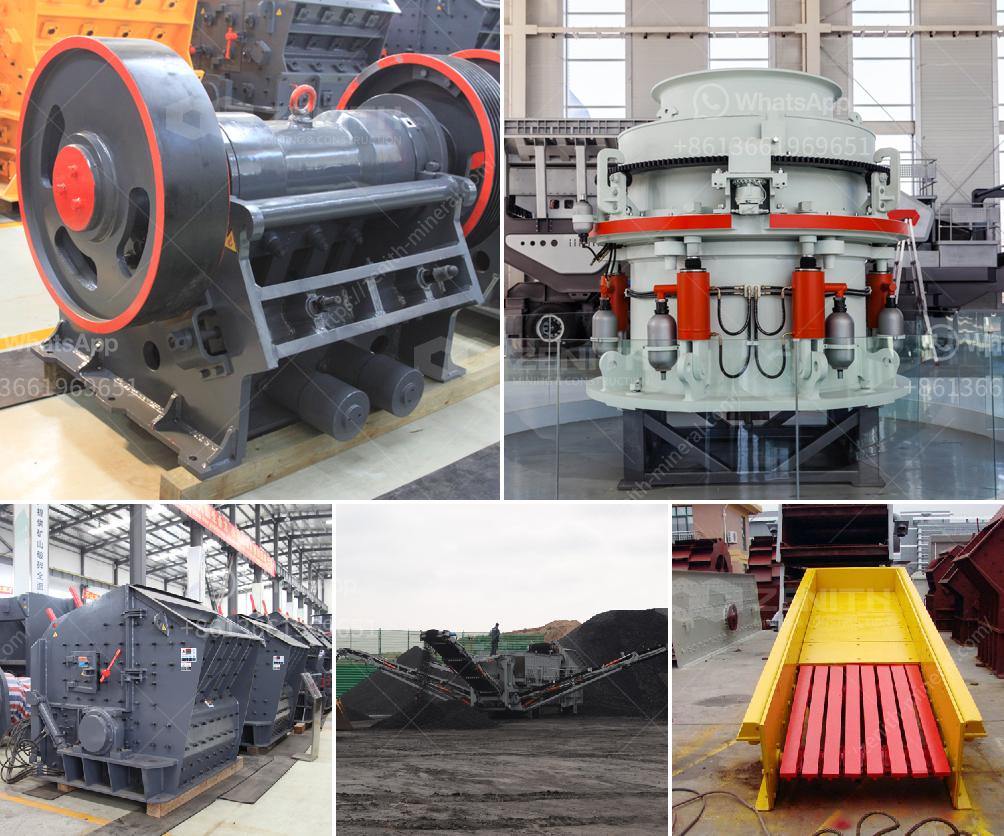
- Crushers: For breaking down large rocks into smaller pieces.
- Mills: Such as stamp mills or ball mills to further grind the ore for processing.
-
Sampling and Testing Tools:
- Geologist's Hammer and Magnifying Glass: For examining mineral samples.
- Assay Kits: To test ore samples for metal content.
-
Communication Devices:
- Two-Way Radios: For communication between team members, especially underground.
It's important to follow all local regulations and safety standards when engaging in mining activities, as well as obtaining any necessary permits. Small-scale miners should also consider environmental impacts and incorporate sustainable practices.