Nickel mining and processing is a complex and multi-step process that involves several stages, each with its own set of techniques and technologies. Here is a detailed explanation of how nickel is mined and processed:
1. Exploration and Discovery
The first step in nickel mining is the exploration and discovery of nickel deposits. Geologists use various methods to locate potential nickel ore deposits, including:
- Geological Surveys: These involve studying the rock formations and geological history of an area to identify regions that are likely to contain nickel.
- Geochemical Analysis: Soil and rock samples are analyzed for traces of nickel and other associated minerals.
- Geophysical Methods: Techniques such as magnetic surveys, gravity surveys, and electromagnetic surveys help in identifying subsurface anomalies that may indicate the presence of nickel ore.
2. Mining Methods
Once a nickel deposit is discovered, the next step is to extract the ore from the ground. There are two primary methods of mining nickel:
- Open-Pit Mining: This method is used when the nickel ore is close to the surface. Large open pits are dug, and the ore is extracted using heavy machinery. This method is cost-effective but can have significant environmental impacts.
- Underground Mining: When the nickel ore is located deeper underground, underground mining methods are used. This involves creating tunnels and shafts to reach the ore. While this method is more expensive and labor-intensive, it has a smaller environmental footprint compared to open-pit mining.
3. Ore Processing
After the nickel ore is extracted, it undergoes several processing steps to separate the nickel from other minerals and impurities. The main processing methods include:
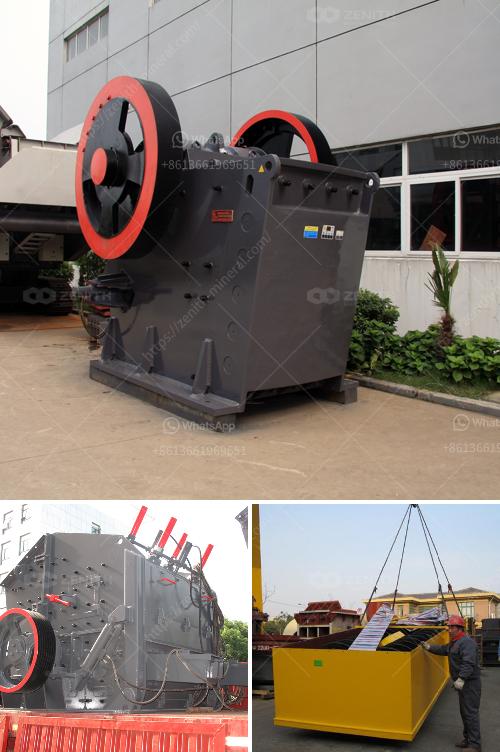
- Crushing and Grinding: The extracted ore is crushed and ground into fine particles to increase the surface area for the subsequent processing steps.
- Concentration: The ground ore is subjected to various concentration methods to increase the nickel content. Common methods include froth flotation, where the ore is mixed with water and chemicals to create a frothy mixture. The nickel-rich froth is skimmed off, leaving behind the waste material.
- Smelting: The concentrated nickel ore is then smelted in a furnace to separate the nickel from other metals and impurities. This involves heating the ore to high temperatures in the presence of a reducing agent, such as coke, to produce a nickel-rich matte.
- Refining: The nickel matte is further refined to produce pure nickel. This can be done using various methods, including:
- Electrolytic Refining: The nickel matte is dissolved in an electrolyte solution, and pure nickel is deposited onto cathodes through electrolysis.
- Carbonyl Refining: The nickel matte is reacted with carbon monoxide to form nickel carbonyl gas, which is then decomposed to produce pure nickel.
4. Environmental and Safety Considerations
Nickel mining and processing can have significant environmental and safety impacts. Companies must adhere to strict regulations and implement measures to minimize these impacts, including:
- Waste Management: Proper disposal and management of waste materials, such as tailings and slag, to prevent environmental contamination.
- Water Management: Ensuring that water used in the mining and processing operations is treated and recycled to minimize water usage and prevent pollution.
- Air Quality Control: Implementing measures to control emissions of dust, sulfur dioxide, and other pollutants from smelting and refining operations.
- Worker Safety: Ensuring the safety and health of workers through proper training, protective equipment, and adherence to safety protocols.
5. End Products and Uses
The final product of nickel mining and processing is pure nickel, which is used in various applications, including:
- Stainless Steel Production: Nickel is a key component in the production of stainless steel, which is used in a wide range of industries, from construction to household appliances.
- Battery Manufacturing: Nickel is used in the production of batteries, particularly nickel-cadmium and nickel-metal hydride batteries.
- Alloys: Nickel is alloyed with other metals to produce materials with enhanced properties, such as corrosion resistance and high-temperature strength.
- Electronics: Nickel is used in various electronic components, including connectors, switches, and sensors.
In summary, nickel mining and processing is a multi-stage process that involves exploration, extraction, concentration, smelting, and refining. Each stage requires specialized techniques and technologies to produce pure nickel, which is then used in a wide range of industrial applications. Environmental and safety considerations are also critical throughout the process to minimize the impact on the environment and ensure the safety of workers.