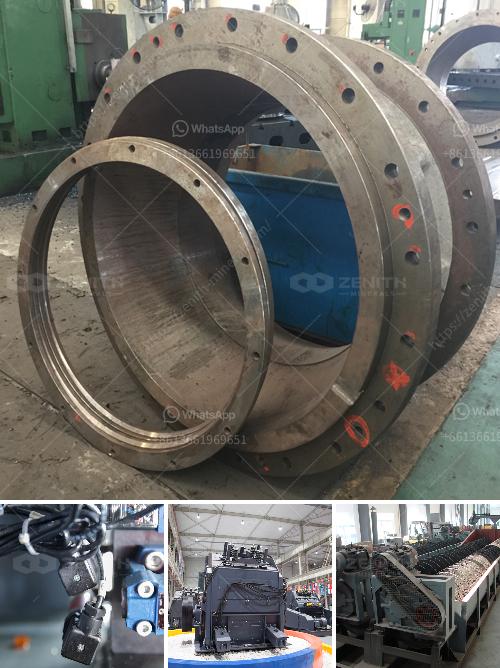


Crushing and screening services are essential components of the construction and mining industries. These services involve the reduction and classification of materials like rocks, ores, and minerals, primarily for construction purposes. Here's a breakdown of what these services entail and their benefits to construction projects:
Cost-Effectiveness: On-site crushing and screening reduce the need to purchase processed materials and transport them to the site, which can be expensive. Processed materials are readily available for use in construction, reducing costs associated with material acquisition and logistics.
Customizable Material: These services allow projects to produce materials that meet specific requirements and standards. This customization can ensure the right aggregate size and type are used for different parts of a project, such as foundations, road bases, or concrete production.
Environmental Benefits: On-site processing minimizes the environmental footprint by reducing the need to transport materials over long distances. It also helps recycle existing materials, such as old concrete and asphalt, turning them into reusable aggregates and reducing landfill waste.
Efficiency and Convenience: By processing materials directly on-site, projects can operate more efficiently. This eliminates delays associated with sourcing and transporting materials from external suppliers. Equipment can be mobilized to where it’s needed most, enhancing workflow productivity.
Quality Control: On-site crushing and screening provide more control over the quality and consistency of materials used on the project, enhancing the overall integrity and strength of construction outputs.
Local Resource Utilization: Utilizing local resources reduces dependence on external supplies, boosting local economies and ensuring projects can proceed without supply chain interruptions.
These benefits collectively lead to more sustainable and economically viable construction projects, making crushing and screening services a fundamental part of modern construction operations.