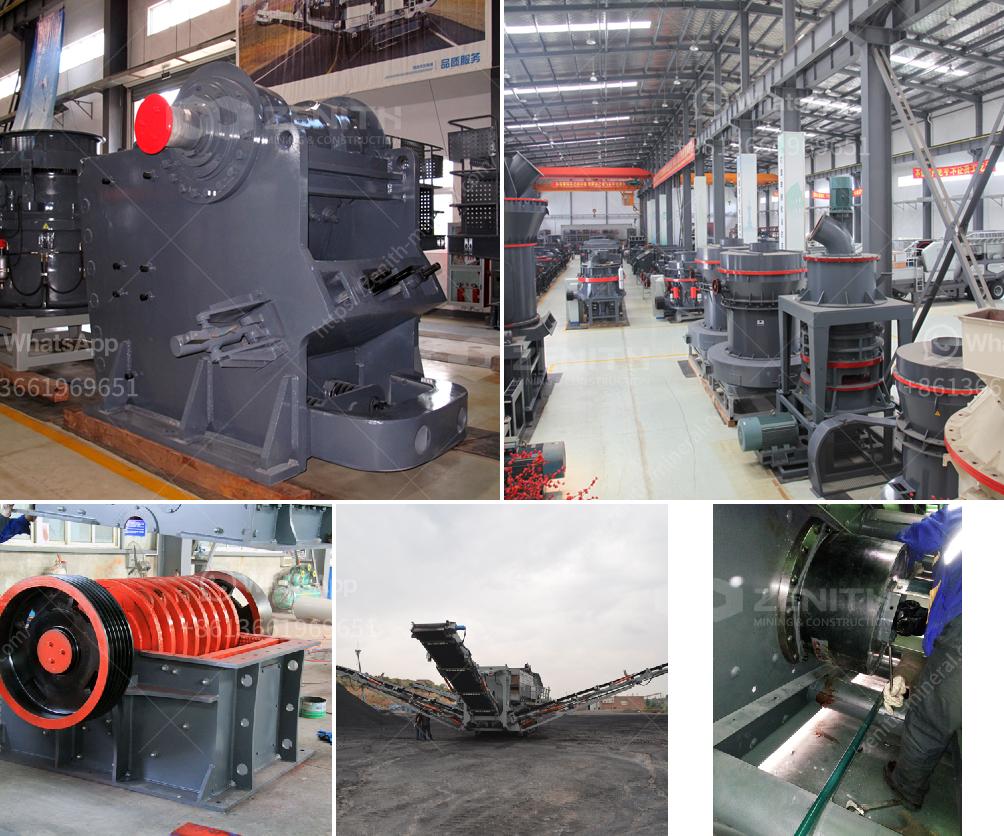


A small-scale barite crushing plant typically involves the following key components and steps:
Feed Hopper: Where raw barite ore is initially loaded.
Primary Crusher: Jaw crusher or impact crusher that reduces large barite rocks to smaller sizes for further processing.
Conveyor Belts: These transport the crushed barite from one stage to the next within the plant.
Secondary Crusher: Cone crusher or hammer mill to achieve the desired particle size from the primary crushed material.
Vibrating Screen: To separate the crushed barite into different size fractions.
Storage Bins: For storing the various grades of barite produced.
Dust Collection System: To minimize dust and keep the working environment safe and clean.
Control System: For monitoring and controlling the entire crushing process to ensure consistency and quality.
Considerations for setting up such a plant include:
Benefits of a small-scale barite crushing plant:
If you have specific requirements or need further details about setting up such a plant, feel free to ask!