

Limestone processing using a grinder mill involves several steps to achieve the desired product consistency and quality. Here’s a general outline of the process:
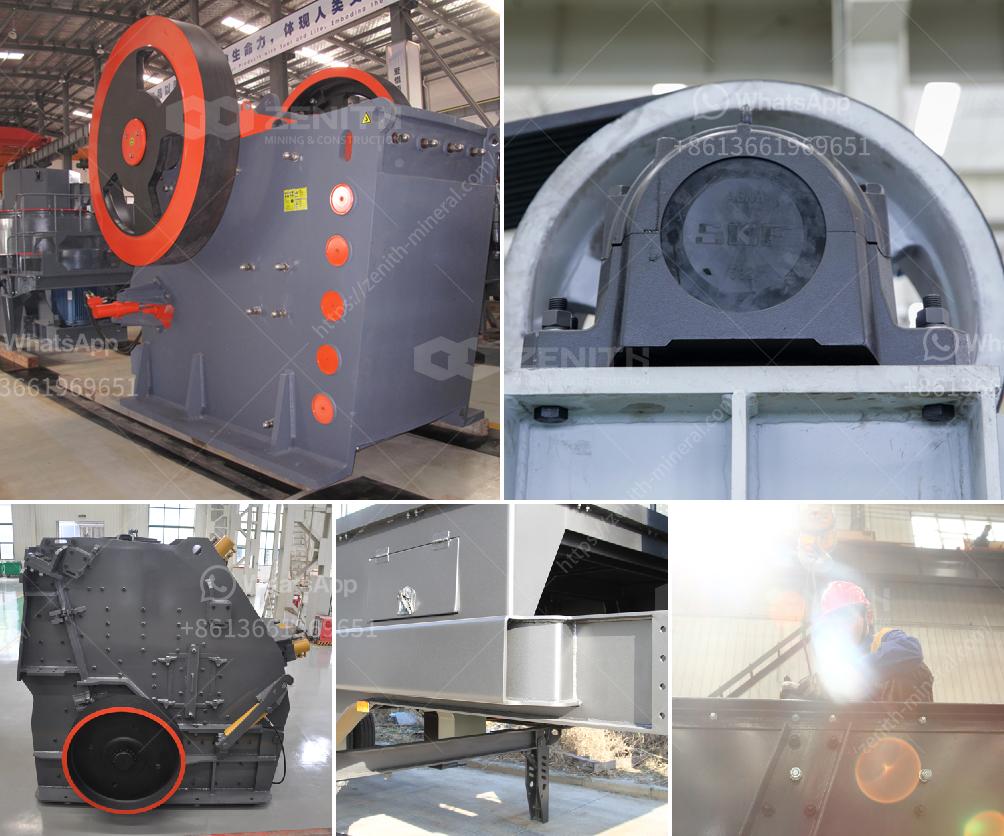
Crushing: The raw limestone is first crushed to smaller sizes using primary and secondary crushers. This reduces large chunks into more manageable pieces for further processing.
Grinding: The crushed limestone is then fed into the grinder mill. Various types of mills, such as ball mills, Raymond mills, or vertical roller mills, can be used. The mill grinds the limestone into a fine powder.
Classification: The ground limestone may pass through a classifier, which separates the fine particles that meet the desired size from coarser particles that need further grinding. The coarser particles are returned to the mill for additional grinding.
Collection: The fine limestone powder is collected using a dust collector or cyclone system. This ensures the air is cleaned before being released into the environment and the fine powder is retained.
Storage and Packaging: The collected limestone powder is stored in silos or other storage systems and can be packed into bags or bulk containers for transport.
Quality Control: Throughout these steps, quality control measures are taken to ensure the limestone meets the required specifications for its intended use, which could be in construction, fertilizer, or other industrial applications.
Each plant may have variations in the process depending on the specific requirements and the equipment used.