

Talcum powder, commonly known as baby powder, is made from talc, a mineral composed mainly of magnesium, silicon, and oxygen. The process of turning talc into talcum powder involves several steps, each of which is crucial to ensure the final product is safe and effective for use. Here is a detailed explanation of the process:
Mining: Talc is extracted from open-pit mines. The mining process involves drilling, blasting, and transporting the talc ore to the surface. The quality of the talc ore is assessed to ensure it meets the required standards for further processing.
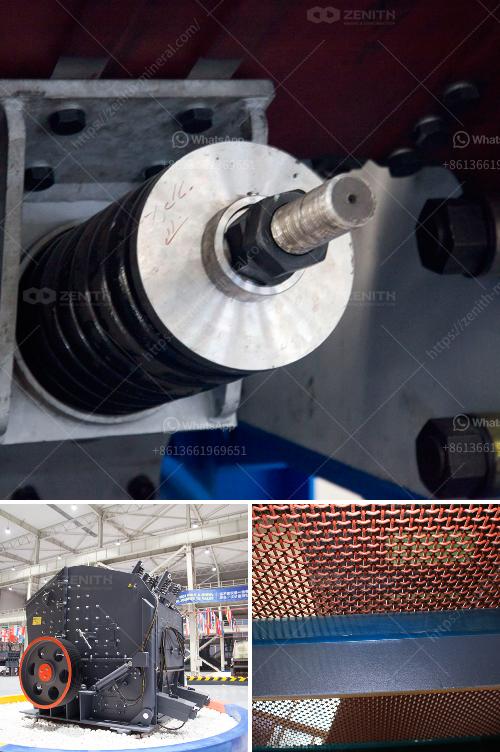
Crushing: Once the talc ore is brought to the surface, it is crushed into smaller pieces using jaw crushers and hammer mills. This step is essential to reduce the size of the talc rocks, making them easier to handle and process.
Grinding: The crushed talc is then ground into a fine powder using various grinding mills, such as ball mills, roller mills, or jet mills. The grinding process is critical to achieving the desired particle size and consistency of the talcum powder. The finer the powder, the smoother and more effective it will be for its intended use.
Purification: The ground talc powder undergoes a purification process to remove any impurities or contaminants. This can involve several methods, including flotation, magnetic separation, and chemical treatment. The goal is to ensure the talcum powder is pure and safe for use, especially in cosmetic and pharmaceutical applications.
Classification: After purification, the talc powder is classified based on particle size. This is done using air classifiers or sieves to separate the powder into different grades. Each grade of talcum powder has specific applications, with finer grades used in cosmetics and pharmaceuticals, and coarser grades used in industrial applications.
Sterilization: To ensure the talcum powder is free from bacteria and other microorganisms, it undergoes a sterilization process. This can be done using heat, radiation, or chemical treatments. Sterilization is particularly important for talcum powder used in medical and cosmetic products.
Additives: Depending on the intended use of the talcum powder, various additives may be mixed in. For example, fragrances, moisturizers, or other beneficial ingredients can be added to enhance the product's properties. These additives are carefully selected and blended to ensure they are safe and effective.
Packaging: The final step in the process is packaging the talcum powder. The powder is carefully measured and filled into containers, such as bottles, jars, or sachets. The packaging is designed to protect the powder from contamination and ensure it remains fresh and effective until it reaches the consumer.
Throughout the entire process, strict quality control measures are in place to ensure the talcum powder meets all safety and quality standards. This includes regular testing of the raw materials, monitoring the production process, and conducting final product inspections.
In summary, turning talc into talcum powder involves mining, crushing, grinding, purification, classification, sterilization, adding any necessary additives, and packaging. Each step is carefully controlled to produce a high-quality, safe, and effective product for various applications.