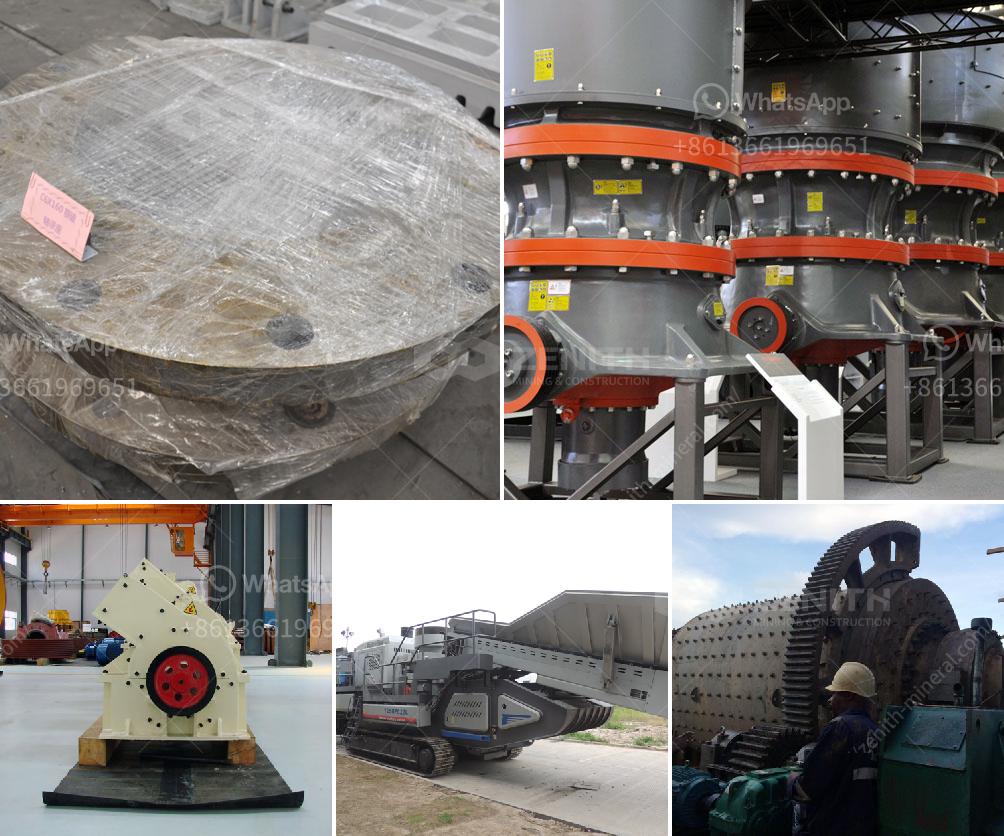
Fixing a liner in a ball mill can be a complex process, requiring careful attention and proper procedures to ensure the mill operates efficiently and safely. Here’s a step-by-step guide to help you with the process:
Safety First
- Shut Down the Mill: Make sure the mill is completely shut down and locked out to prevent accidental starting.
- Clear the Area: Ensure that the area is clear of all unnecessary personnel and materials.
- Wear Protective Gear: Use appropriate personal protective equipment (PPE) like gloves, helmets, safety glasses, and steel-toed boots.
Inspection and Removal
- Inspect the Liner: Assess the extent of wear and damage. Look for cracks, excessive wear, or missing pieces.
- Remove the Bolts: Start by loosening and removing the bolts or other fastening mechanisms holding the liner in place.
- Lift the Liner: Use a mill liner handler or a crane to carefully lift and remove the old liner from the mill.
Surface Preparation
- Clean the Surface: Thoroughly clean the mill shell’s interior surface to remove debris, dust, and old adhesive.
- Inspect the Shell: Check the mill shell for any signs of wear or damage that might also need attention.
Installation of New Liner
- Position the New Liner: With the help of lifting equipment, carefully position the new liner within the mill.
- Align the Bolt Holes: Ensure the bolt holes of the liner align with those on the mill shell.
- Tighten the Bolts: Secure the liner in place by inserting and evenly tightening all bolts. Tighten bolts using a torque wrench to the manufacturer’s specified torque values to ensure even distribution of pressure.
Final Checks
- Double-Check Fasteners: Ensure all bolts are securely tightened and evenly distributed.
- Inspect the Installation: Verify the alignment and firmness of the liner installation.
- Clean Up: Remove all tools and equipment from the area.
Testing
- Rotate the Mill Manually: Slowly rotate the mill manually to ensure the liner is secure and there are no obstructions.
- Gradually Start-Up the Mill: Gradually start the mill at a low speed and monitor for any unusual noises or vibrations.
Monitoring
- Regular Inspections: Regularly inspect the liner for wear and tear and tighten bolts as necessary.
- Record Observations: Keep detailed records of any inspections and maintenance performed to anticipate and prepare for future maintenance needs.
Consult Manufacturer’s Guidelines
Always refer to the manufacturer’s guidelines and recommendations for specific details, as different mills and liners may have unique requirements.
If you're not fully comfortable performing these tasks, consider consulting with a professional maintenance team to ensure the job is done correctly and safely.