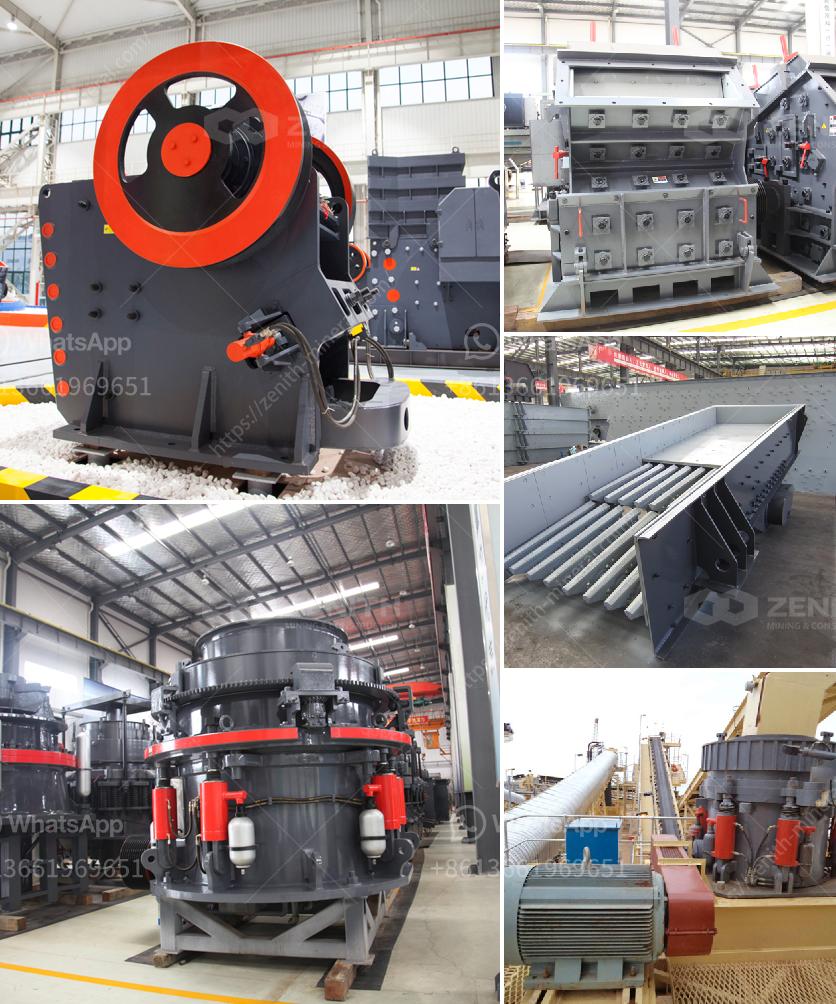
Setting up an 80 ton per hour limestone crushing plant involves several steps, from site selection to equipment installation. Here’s a step-by-step guide to facilitate the process:
1. Site Selection and Preparation
- Geological Survey: Ensure the site has the appropriate type and amount of limestone.
- Accessibility: Consider road access for transporting raw materials and finished products.
- Utilities: Ensure availability of necessary utilities like water and electricity.
2. Design the Layout
- Primary Crusher: Install a jaw crusher which has a capacity to crush 80 tons per hour.
- Secondary Crusher: Use an impact crusher or cone crusher to achieve desired size reduction. Ensure it can handle 80 tons/hour feed.
- Screening: Incorporate a vibrating screen to sort crushed material into different sizes.
- Conveyor System: Deploy conveyors to transport materials between crushers, screens, and storage.
- Dust Collection: Plan for dust suppression systems to ensure a safe and compliant working environment.
3. Equipment Selection
- Primary Jaw Crusher: Choose a model with an output of around 80 TPH and appropriate feed size.
- Secondary Crusher: Select an impact or cone crusher that meets the site’s spec requirements.
- Screening Equipment: Vibrating screens capable of handling 80 tons per hour throughput.
- Conveyors: Dimensioned properly to handle the production rate.
- Ancillary Equipment: Such as hoppers, feeders, and automation systems.
4. Power Supply
- Adequately size generators or ensure grid connection can support the power needs of the plant.
5. Process Flow
- Feeding: Raw limestone is fed into the primary jaw crusher by a vibrating feeder.
- Primary Crushing: Jaw crusher crushes the raw material to a smaller size.
- Secondary Crushing: Crushed stones move to a secondary crusher for further reduction.
- Screening: Post-crushing, the material is screened by a vibrating screen to separate different size fractions.
- Conveying: Conveyors transport materials to storage or further processing.
6. Environmental Considerations
- Dust Control: Implement water sprays at crushing points, conveyor transfer points, and screens.
- Noise Mitigation: Use noise barriers and enclosures where feasible.
- Waste Management: Plan for handling and storage of waste materials.
7. Safety Measures
- Adequate signage.
- Emergency stops and safety guards on machines.
- Regular training for workers on safety protocols.
8. Testing and Commissioning
- Dry Run: Test all equipment without load.
- Performance Testing: Gradually introduce the material to ensure each component operates at expected efficiency.
- Adjustments: Fine-tune the setup to optimize performance and achieve the desired output.
Example Layout Design
Here's a simplistic example:
- Feed Hopper: Raw limestone.
- Primary Jaw Crusher: Output to a secondary crusher.
- Secondary Crusher (Impact/Cone): Output to vibratory screen.
- Screening Station: Sorted material sent to different storage piles via conveyors.
Conclusion
Setting up an 80 ton/hour limestone crusher plant involves careful planning, selection of appropriate machinery, and consideration of site-specific factors. Detailed engineering drawings and process flow diagrams are advisable to ensure a smooth setup. Always adhere to local regulations and industry standards for construction and operation.