Participating in limestone mining involves several steps and requires careful planning and compliance with various regulations. Here's a general outline to get you started:
1. Research and Feasibility Study
- Market Analysis: Understand the demand and supply dynamics of limestone in your target market.
- Resource Assessment: Conduct geological surveys to ascertain the quantity and quality of limestone deposits.
- Environmental Impact: Assess the environmental impact of the mining project and prepare mitigation strategies.
2. Legal and Regulatory Compliance
- Permits and Licenses: Obtain necessary permits and licenses from local, state, and national authorities. This often includes mining licenses, environmental clearances, and land use permissions.
- Land Acquisition: Secure the land rights where the limestone deposits are located. This may involve purchasing the land or negotiating leases with landowners.
3. Financial Planning
- Funding: Secure funding for the initial investment and operational costs. This could be through loans, investors, or personal capital.
- Budgeting: Develop a detailed budget covering exploration, extraction, transportation, and processing costs.
4. Setting Up Operations
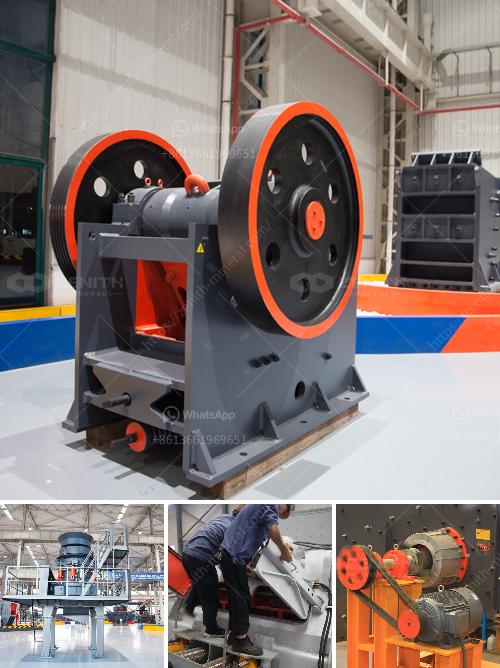
- Equipment and Technology: Acquire the necessary equipment for drilling, blasting, crushing, and transporting limestone.
- Infrastructure: Set up the required infrastructure such as access roads, power supply, water supply, and waste management systems.
- Workforce: Hire skilled labor, including geologists, engineers, technicians, and laborers.
5. Mining and Processing
- Exploration: Conduct detailed drilling to outline the extent and grade of the deposit.
- Extraction: Use appropriate mining methods, such as surface or underground mining, depending on the geology of the deposit.
- Processing: Crush and screen the limestone to the required size and quality specifications.
6. Environmental Management
- Reclamation: Plan and implement land reclamation projects to restore the mined area.
- Waste Management: Properly manage mining waste to minimize environmental impact.
- Monitoring: Continuously monitor environmental parameters to ensure compliance with regulations.
7. Marketing and Sales
- Product Development: Develop limestone products that meet market specifications, such as construction-grade material, agricultural lime, or industrial filler.
- Distribution: Establish a distribution network to transport and deliver limestone to customers.
- Sales and Marketing: Develop a marketing strategy to promote your products and secure contracts with buyers.
8. Continuous Improvement
- Innovation: Keep up with technological advancements to improve efficiency and reduce costs.
- Feedback Loop: Implement a system for continuous feedback and improvement in operations and environmental management.
Key Considerations
- Safety: Ensure all operations comply with health and safety regulations to protect workers and the surrounding community.
- Sustainability: Incorporate sustainable practices to minimize the environmental footprint of your mining activities.
- Community Engagement: Engage with local communities to address their concerns and ensure social license to operate.
By following these steps and maintaining a commitment to regulatory compliance and sustainable practices, you can successfully participate in limestone mining.