The cost to run a mining project can vary significantly based on several factors. Here are a few primary considerations:
- Type of Mining: The cost varies depending on whether it is surface or underground mining.
- Size and Scope: The scale of the project, including the size of the deposit and the depth at which minerals are located, will highly influence the cost.
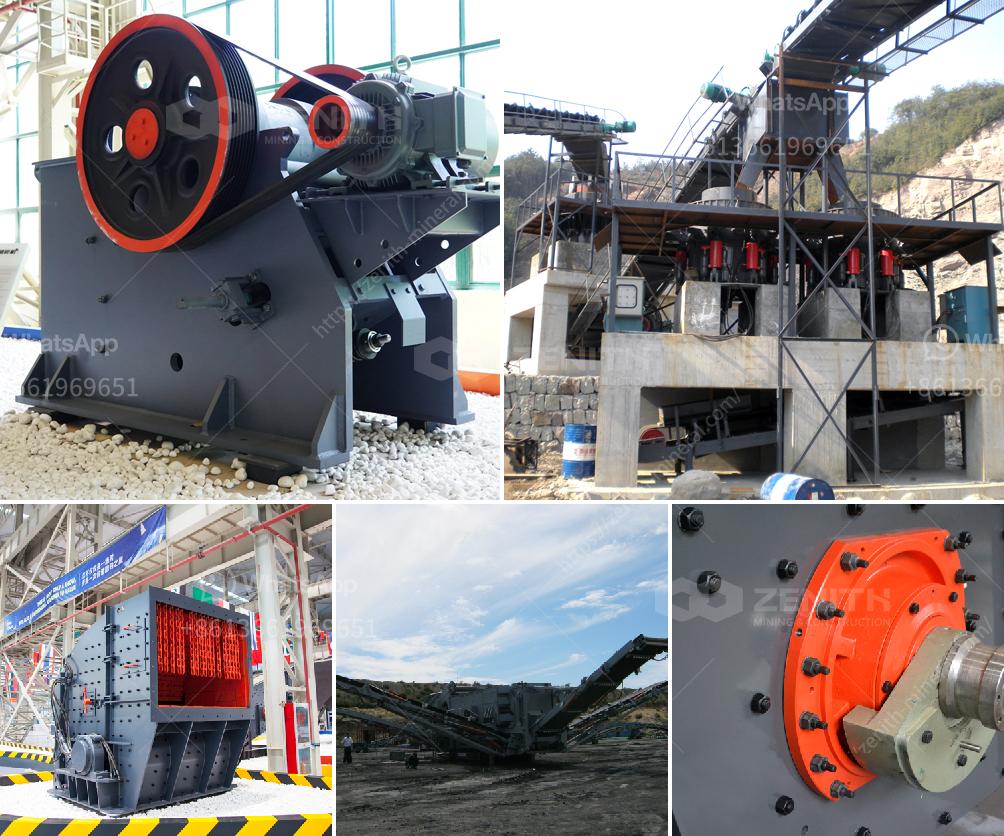
- Equipment and Technology: Advanced machinery and technology can be costly but may improve efficiency and reduce long-term expenses.
- Labor: Wages, training, and the number of personnel required are significant factors. Skilled labor can be expensive, particularly in regions with higher living costs.
- Infrastructure: Development of roads, power supply, water, and other infrastructure necessary to support mining operations.
- Permitting and Regulatory Compliance: Costs for obtaining necessary permits and complying with environmental and safety regulations.
- Site Preparation: Costs for removing overburden, constructing facilities, and initial development of the mine.
- Operational Costs: Ongoing expenses including fuel, maintenance, utilities, and site security.
- Environmental Management: Costs associated with managing environmental impact, including waste disposal, water treatment, and land reclamation.
- Market Prices: Fluctuating commodity prices can impact the project's financial viability and operating costs.
Estimating these costs requires detailed feasibility studies and economic analysis specific to the project. On the lower end, a small-scale operation might cost a few million dollars, while larger, more complex projects can run into billions. It is essential to consult with industry experts to get a tailored cost assessment for your specific project.