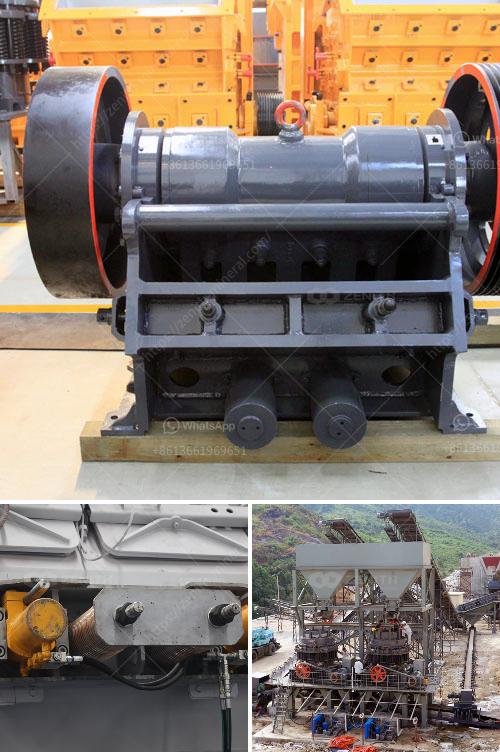
Mining bauxite in Russia typically involves several key steps. Here’s a basic overview of the process:
-
Exploration and Assessment:
- Geological surveys and studies are conducted to identify bauxite reserves.
- Test drilling and sampling help determine the quality and quantity of the bauxite.
-
Site Preparation:
- Land clearing and preparation for the mining operation are undertaken.
- Infrastructure, such as access roads and facilities, is established.
-
Extraction:
- The most common method of extracting bauxite is through open-pit mining. This involves removing the overburden (the layer of soil or rock covering the bauxite) and then digging out the ore.
- In some cases, underground mining methods may be used if the bauxite is located deep beneath the surface.
-
Processing:
- The extracted bauxite ore is transported to refineries where it undergoes refining processes to separate aluminum oxide (alumina) from impurities.
- The Bayer Process is the most common refining method, involving the dissolution of bauxite in sodium hydroxide, which leaves impurities separated and allows alumina to precipitate out.
-
Rehabilitation:
- After mining operations are completed, efforts are made to rehabilitate the land. This can include replacing topsoil, planting native vegetation, and ensuring the area is safe for future use.
-
Regulations and Environmental Considerations:
- Mining activities are subject to strict regulations to minimize environmental impacts, including addressing water usage, managing waste, and controlling emissions.
- Companies are required to work within the framework of Russian environmental protection laws and often need to work closely with local communities and governments.
Russian regions known for bauxite mining include the Northern Urals and parts of Siberia. These operations contribute significantly to the aluminum industry, both domestically and internationally.