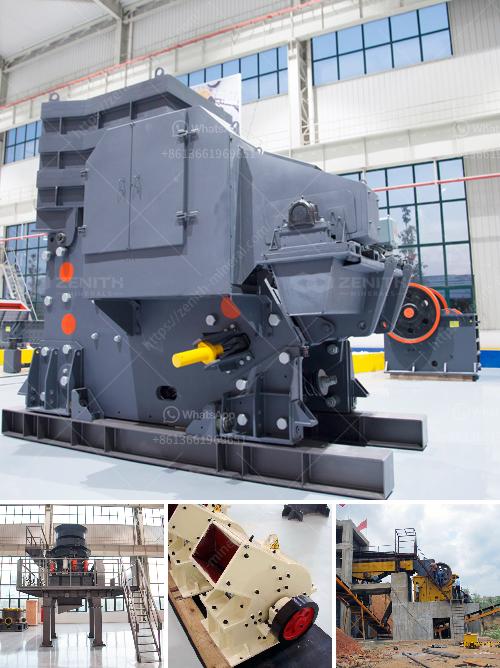


Sand washing equipment, also known as sand washers or sand washing machines, are used to clean and separate sand from impurities such as clay, silt, and other unwanted particles. These machines are commonly used in the construction, mining, and aggregate industries to ensure that the sand used in various applications is of high quality and free from contaminants. Here's a detailed explanation of how sand washing equipment works:
The process begins with the feeding of raw sand into the sand washing machine. This is typically done using a conveyor belt or a hopper. The raw sand may contain various impurities such as clay, silt, and organic matter.
Once the raw sand is fed into the machine, it passes through a series of screens or sieves. These screens are designed to separate larger particles and debris from the finer sand particles. The screening process helps to remove larger impurities and ensures that only the finer sand particles proceed to the washing stage.
The screened sand is then subjected to a washing process. This is typically done using water jets or sprays that are directed at the sand. The water helps to loosen and remove any remaining impurities such as clay, silt, and organic matter. The sand is agitated during this process to ensure thorough cleaning. The agitation can be achieved using rotating drums, paddles, or other mechanical means.
After the washing process, the sand and water mixture is allowed to settle in a settling tank or basin. The heavier sand particles settle to the bottom, while the lighter impurities and water remain on top. The settled sand is then dewatered to remove excess water. This can be done using dewatering screens, hydrocyclones, or other dewatering equipment.
The cleaned and dewatered sand is then discharged from the sand washing machine. It is typically collected in a storage area or transported to the next stage of processing using conveyor belts or other means. The collected sand is now free from impurities and ready for use in various applications.
To make the process more efficient and environmentally friendly, many sand washing machines are equipped with systems to recycle and reuse the water used in the washing process. The water is collected, filtered, and recirculated back into the washing system, reducing water consumption and minimizing waste.
There are several types of sand washing equipment, each designed for specific applications and requirements:
Wheel Sand Washers: These machines use a rotating wheel to agitate and wash the sand. The sand is fed into the wheel, which lifts and tumbles the sand, allowing water to wash away impurities.
Spiral Sand Washers: These machines use a spiral screw to agitate and wash the sand. The sand is fed into the spiral, which rotates and moves the sand along the length of the machine, allowing water to wash away impurities.
Hydrocyclones: These machines use centrifugal force to separate sand from impurities. The sand and water mixture is fed into the hydrocyclone, which spins at high speed, causing the heavier sand particles to settle to the bottom and the lighter impurities to be carried away with the water.
Sand washing equipment is used in various industries and applications, including:
In summary, sand washing equipment plays a crucial role in ensuring that sand used in various applications is clean and free from impurities. The process involves feeding, screening, washing, settling, dewatering, and recycling, with different types of equipment available to suit specific needs and requirements.