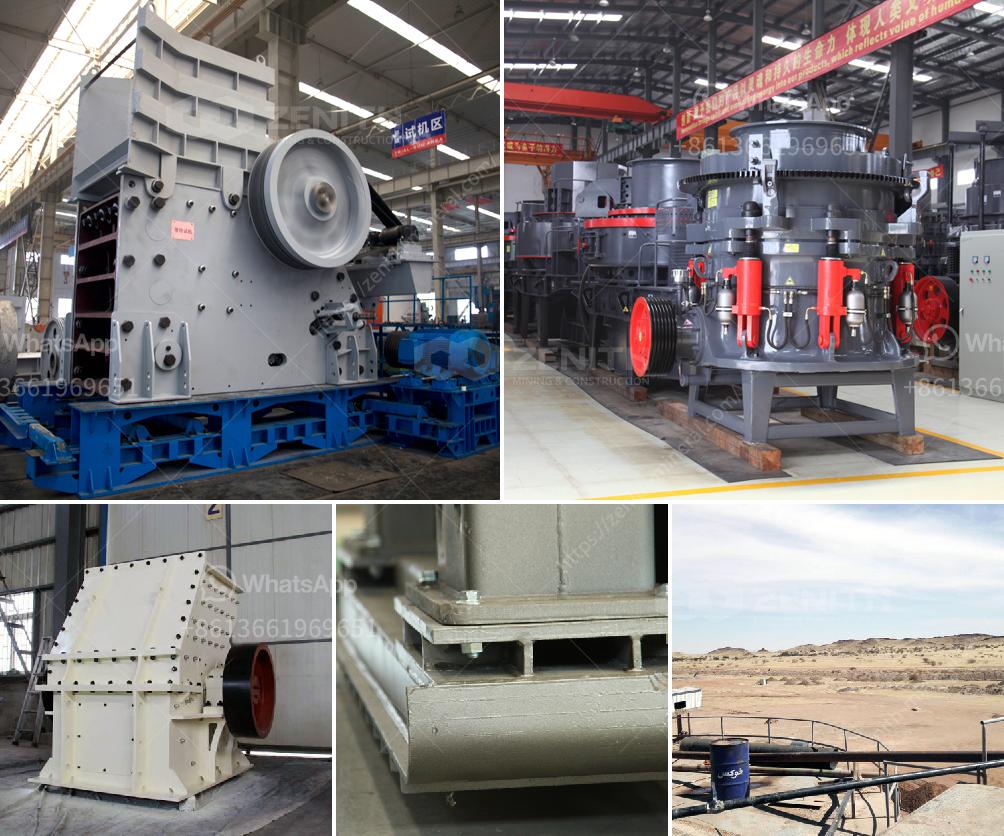
Reducing the internal heat of a ball mill is crucial for maintaining the efficiency and longevity of the equipment, as well as ensuring the quality of the milled product. Here are several strategies to achieve this:
1. Optimize the Mill's Operating Parameters
- Rotation Speed: Adjust the rotation speed of the mill to an optimal level. Too high or too low speeds can increase friction and heat generation.
- Ball Load: Ensure the ball load is appropriate. Overloading or underloading can lead to excessive heat due to increased friction.
2. Improve Ventilation
- Air Flow: Increase the airflow through the mill. Proper ventilation helps dissipate heat. This can be achieved by installing fans or blowers.
- Exhaust System: Implement an efficient exhaust system to remove hot air from the mill.
3. Use of Coolants
- Water Spray: Introduce a water spray system to cool the mill. Water can be sprayed directly onto the mill shell or into the mill.
- Coolant Circulation: Use a coolant circulation system to maintain a lower temperature.
4. Material Selection
- Grinding Media: Use grinding media that have better heat dissipation properties. Ceramic balls, for example, can reduce heat generation compared to steel balls.
- Liners: Choose mill liners that are designed to reduce heat buildup.
5. Operational Adjustments
- Feed Rate: Adjust the feed rate to ensure the mill is not overloaded, which can cause excessive heat.
- Grinding Time: Optimize the grinding time to prevent prolonged operation, which can lead to heat accumulation.
6. Regular Maintenance
- Lubrication: Ensure all moving parts are well-lubricated to reduce friction and heat.
- Inspection: Regularly inspect the mill for any signs of wear and tear that could lead to increased heat generation.
7. Insulation
- Thermal Insulation: Insulate the mill to prevent heat loss and maintain a stable internal temperature.
8. Advanced Technologies
- Temperature Sensors: Install temperature sensors to monitor the internal temperature and make real-time adjustments.
- Automated Control Systems: Use automated control systems to optimize the mill's operation and reduce heat generation.
By implementing these strategies, you can effectively reduce the internal heat of a ball mill, thereby improving its performance and extending its lifespan.