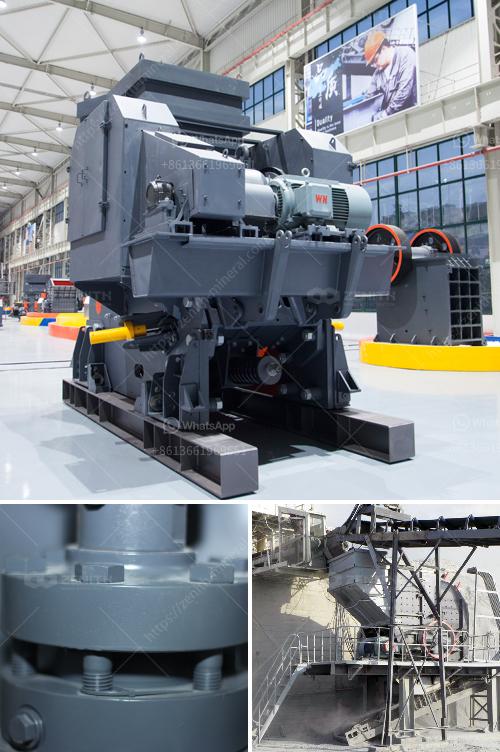
Crushing and washing gravel with a cone crusher involves several steps and considerations to ensure the process is efficient and the final product meets the desired specifications. Here’s a detailed guide on how to achieve this:
1. Understanding the Cone Crusher
A cone crusher is a type of crushing equipment that reduces the size of material by squeezing or compressing it between a moving piece of steel and a stationary piece of steel. The final size and shape of the crushed material are determined by the gap between the two crushing members at the lowest point.
2. Preparation
Before starting the crushing process, ensure that the cone crusher is properly set up and all safety protocols are followed. This includes:
- Inspection: Check the cone crusher for any wear and tear, and ensure all parts are in good working condition.
- Setup: Adjust the settings of the cone crusher to match the desired output size. This involves setting the gap between the crushing members.
3. Feeding the Crusher
- Material Selection: Choose the appropriate type of gravel to be crushed. The material should be free from any large debris or contaminants that could damage the crusher.
- Feeding: Use a feeder to introduce the gravel into the cone crusher. The feeder should provide a consistent and even flow of material to prevent overloading the crusher.
4. Crushing Process
- Primary Crushing: The gravel is initially crushed by the cone crusher. The size of the output material can be adjusted by changing the settings of the crusher.
- Secondary Crushing (if needed): If the gravel needs to be further reduced in size, it can be passed through the cone crusher again or through another crusher.
5. Washing the Crushed Gravel
After the gravel has been crushed, it often needs to be washed to remove any dust, dirt, or other impurities. This can be done using a variety of methods:
- Washing Screens: These are screens with water sprays that wash the gravel as it passes through.
- Log Washers: These are machines with rotating paddles that scrub the gravel to remove impurities.
- Sand Classifiers: These separate the fine particles from the gravel and wash them away.
6. Quality Control
- Inspection: Regularly inspect the crushed and washed gravel to ensure it meets the desired specifications.
- Adjustments: Make any necessary adjustments to the crusher settings or washing process to improve the quality of the final product.
7. Safety Considerations
- Training: Ensure all operators are properly trained in the use of the cone crusher and washing equipment.
- Protective Gear: Operators should wear appropriate protective gear, such as helmets, gloves, and safety glasses.
- Emergency Procedures: Have clear emergency procedures in place in case of equipment failure or other issues.
Conclusion
Crushing and washing gravel with a cone crusher involves a series of steps that require careful planning and execution. By understanding the equipment, preparing properly, feeding the crusher correctly, and ensuring thorough washing, you can produce high-quality gravel that meets your specifications. Regular maintenance and safety protocols are also crucial to ensure the process runs smoothly and safely.