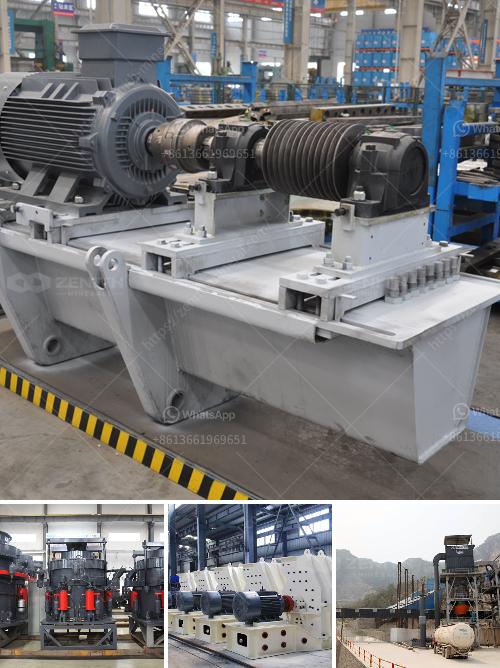
Solving the problem of a roller crusher blockage involves a few steps. Here’s a detailed approach:
-
Safety First:
- Always ensure the machine is turned off and locked out/tagged out (LOTO) before attempting any maintenance work.
- Wear appropriate personal protective equipment (PPE) such as gloves, safety glasses, and hard hats.
-
Identify the Cause:
- Check if the blockage is due to oversized material, foreign objects, or material with high moisture content.
- Inspect the feed material size and consistency.
-
Remove the Blockage:
- If safe to do so, manually remove any large stones or debris.
- Use tools like crowbars, hammers, or shovels to break up and remove the obstructing material. Avoid using hands directly.
-
Check Rollers and Condition:
- Inspect the rollers for wear and tear. Worn or damaged rollers can contribute to blockages.
- Ensure rollers are properly aligned and in good condition.
-
Adjust Settings:
- Adjust the gap between the rollers according to the material being processed to prevent oversized material from causing blockages.
- Ensure consistent feeding: Try to maintain a consistent flow of material to avoid sudden surges which can lead to blockages.
-
Maintenance & Inspection:
- Regularly clean the crusher to prevent material buildup.
- Perform regular inspections and maintenance to ensure all parts are functioning correctly and efficiently.
-
Material Handling:
- Pre-screen the material to remove any oversized pieces before they enter the crusher.
- Control the feed rate to ensure the crusher isn’t overloaded.
-
Innovative Solutions:
- Consider using a screen or grid to filter out large particles before feeding the material into the crusher.
- Install sensors to monitor the feed into the crusher, which can help in alerting of potential blockages.
If after these steps the problem persists, it might be helpful to consult the manufacturer’s manual or contact their support for specific troubleshooting tips.