

In mineral processing, gold is often extracted from the surrounding rock material through a series of steps that usually include crushing, milling, and further separation techniques. Here’s an overview of how gold is typically crushed during this process:
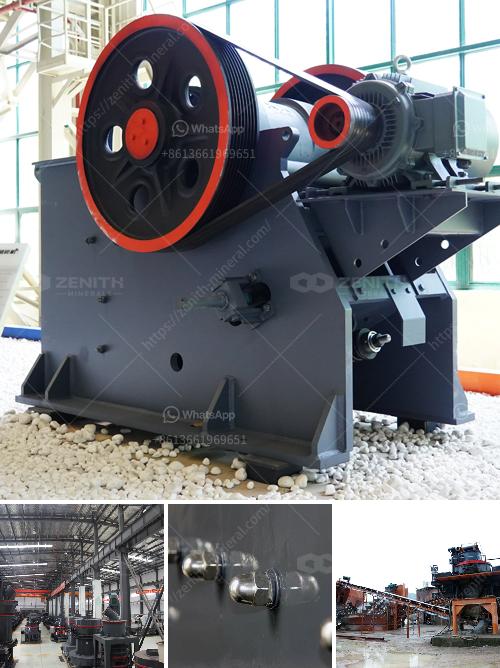
Primary Crushing: Initially, large chunks of ore are fed into a primary crusher, such as a jaw crusher. The primary crusher reduces the size of the ore to manageable pieces, which are easier to handle and process.
Secondary Crushing: The output from the primary crusher is then passed through secondary crushers such as cone crushers or impact crushers, which further reduce the size of the ore.
Milling: The crushed ore is then taken to a mill where it is ground into a fine powder. This is usually done using rotating drums filled with steel balls or rods (ball mills or rod mills). The fine grinding helps to liberate gold particles from surrounding minerals.
Concentration: Once the ore is finely ground, concentration methods such as gravity separation, flotation, or cyanidation are used to separate gold from other minerals. This involves various chemical and physical processes to increase the concentration of gold in the final material.
Final Processing: Further refining techniques, such as smelting and leaching, may be used to purify the gold and remove remaining impurities, transforming it into its final, marketable form.
Throughout these steps, careful attention is given to particle size, as finer particles improve the efficiency of separation processes, ensuring maximum gold recovery.