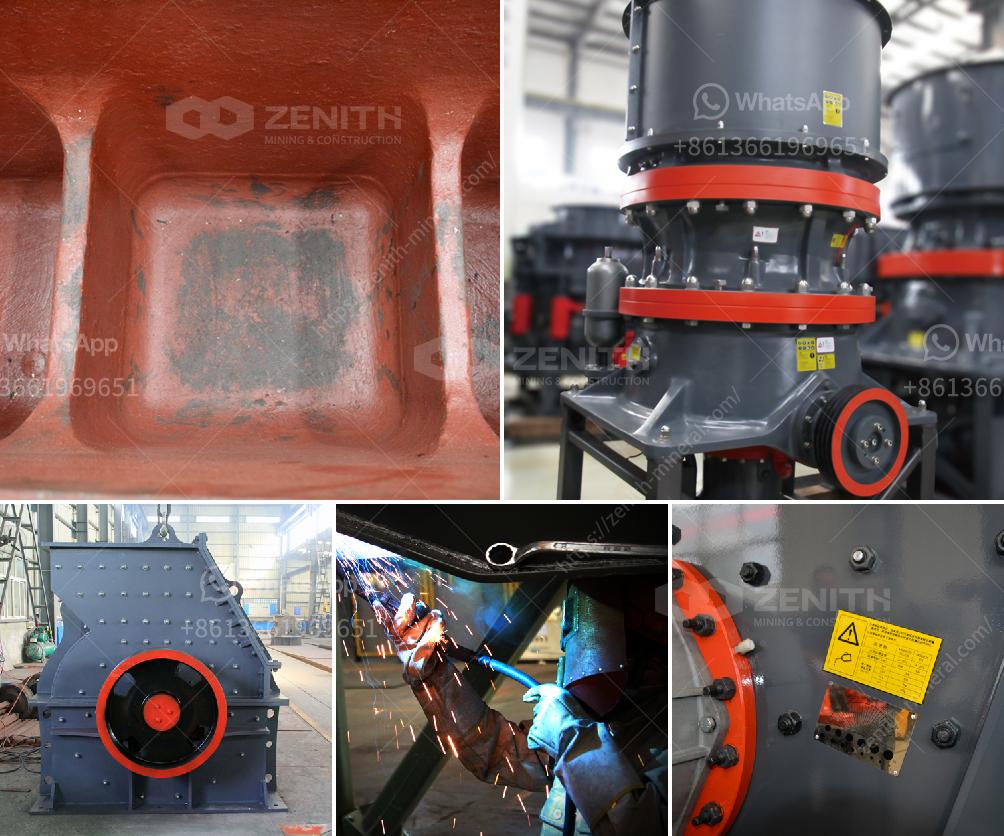
Starting a manufactured sand plant involves several steps, including planning, obtaining necessary permits, selecting equipment, and setting up the plant. Here’s a detailed guide to help you get started:
1. Market Research and Feasibility Study
- Market Demand: Assess the demand for manufactured sand in your target market. This includes understanding the construction industry’s needs and the types of projects that will require sand.
- Competitor Analysis: Identify existing manufacturers and their market share. Understand their strengths and weaknesses.
- Cost Analysis: Calculate the initial investment required, including land, equipment, labor, and other operational costs. Also, estimate the potential revenue and profit margins.
2. Legal and Environmental Considerations
- Permits and Licenses: Obtain the necessary permits and licenses from local authorities. This may include environmental clearances, mining permits, and business licenses.
- Environmental Impact Assessment (EIA): Conduct an EIA to understand the potential environmental impacts of your plant. This is crucial for obtaining environmental clearances and ensuring sustainable operations.
3. Site Selection
- Location: Choose a location that is close to raw material sources (like quarries) and has good transportation links to your target market.
- Land Acquisition: Purchase or lease the land required for the plant. Ensure the site has adequate space for future expansion.
4. Plant Design and Layout
- Design: Work with engineers to design the plant layout. This includes the arrangement of crushers, screens, conveyors, and other equipment.
- Infrastructure: Plan for essential infrastructure such as roads, water supply, electricity, and waste management systems.
5. Equipment Selection
- Crushers: Choose the right type of crushers (jaw crusher, cone crusher, impact crusher) based on the hardness and size of the raw material.
- Screens: Select appropriate screening equipment to separate different sizes of sand.
- Conveyors: Install conveyors to transport materials between different stages of the production process.
- Washing Systems: Consider adding washing systems to remove impurities from the sand.
6. Installation and Commissioning
- Installation: Hire experienced professionals to install the equipment. Ensure all machinery is set up according to the manufacturer’s specifications.
- Testing: Conduct thorough testing of the equipment to ensure it operates efficiently and meets quality standards.
- Training: Train your staff on the operation and maintenance of the equipment.
7. Production Process
- Raw Material Sourcing: Secure a reliable supply of raw materials (rocks, gravel) from quarries.
- Crushing: Crush the raw materials into smaller pieces using crushers.
- Screening: Screen the crushed material to separate different sizes of sand.
- Washing: Wash the sand to remove impurities and improve quality.
- Stockpiling: Store the finished product in stockpiles, ready for distribution.
8. Quality Control
- Testing: Regularly test the sand for quality parameters such as particle size distribution, shape, and cleanliness.
- Standards Compliance: Ensure the manufactured sand meets industry standards and customer specifications.
9. Marketing and Distribution
- Branding: Develop a strong brand identity for your manufactured sand.
- Sales Channels: Establish sales channels, including direct sales to construction companies, distributors, and retailers.
- Logistics: Set up an efficient logistics system to deliver the sand to customers on time.
10. Continuous Improvement
- Feedback: Gather feedback from customers to identify areas for improvement.
- Innovation: Invest in research and development to improve the quality of your sand and the efficiency of your production process.
- Expansion: Plan for future expansion based on market demand and business growth.
By following these steps, you can successfully start and operate a manufactured sand plant. It’s important to conduct thorough research and planning to ensure the long-term success of your business.