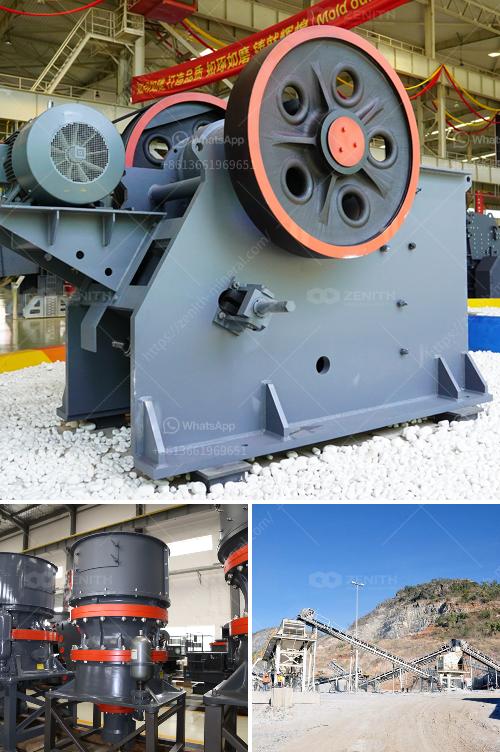
Increasing crusher production involves a combination of optimizing operational practices, ensuring proper maintenance, and possibly upgrading equipment. Here are several strategies to consider:
1. Optimize Feed Size and Distribution
- Uniform Feed Distribution: Ensure that the material is evenly distributed across the crusher's feed opening. Uneven distribution can lead to uneven wear and reduced efficiency.
- Proper Feed Size: The feed size should be appropriate for the crusher. Oversized material can cause blockages and reduce throughput, while undersized material can lead to inefficient crushing.
2. Regular Maintenance and Inspections
- Scheduled Maintenance: Regularly scheduled maintenance can prevent unexpected breakdowns and ensure the crusher operates at peak efficiency.
- Wear Parts Replacement: Monitor and replace wear parts such as liners, mantles, and jaw plates before they become too worn. Worn parts can reduce crushing efficiency and increase energy consumption.
3. Optimize Crusher Settings
- Closed-Side Setting (CSS): Adjust the crusher's closed-side setting to ensure it is operating at the optimal level for the desired product size.
- Speed and Stroke: Adjust the speed and stroke of the crusher to match the material characteristics and desired output.
4. Upgrade Equipment
- Modern Crushers: Consider upgrading to modern crushers that offer better efficiency, higher throughput, and advanced features such as automation and real-time monitoring.
- Automation and Control Systems: Implement automation and control systems to optimize crusher performance and monitor key parameters in real-time.
5. Improve Material Handling
- Efficient Conveyors: Ensure that the conveyors feeding the crusher are operating efficiently and are properly aligned to prevent spillage and blockages.
- Pre-Screening: Use pre-screening to remove fines and other unwanted material before it reaches the crusher. This can reduce wear and improve overall efficiency.
6. Training and Best Practices
- Operator Training: Train operators on best practices for crusher operation and maintenance. Skilled operators can make a significant difference in crusher performance.
- Standard Operating Procedures (SOPs): Develop and implement SOPs for crusher operation and maintenance to ensure consistency and efficiency.
7. Monitor and Analyze Performance
- Data Analysis: Use data analysis to monitor crusher performance and identify areas for improvement. This can include tracking throughput, energy consumption, and wear rates.
- Regular Audits: Conduct regular audits of the crushing process to identify bottlenecks and areas for improvement.
By implementing these strategies, you can increase crusher production, improve efficiency, and reduce downtime.