Owning a mine in South Africa involves a complex process that includes legal, financial, and operational steps. Here is a detailed guide on how to own a mine in South Africa:
1. Research and Feasibility Study
- Identify the Mineral: Determine which mineral you are interested in mining. South Africa is rich in minerals such as gold, platinum, diamonds, and coal.
- Feasibility Study: Conduct a feasibility study to assess the viability of the mining project. This includes geological surveys, environmental impact assessments, and financial analysis.
2. Legal Requirements
- Mining Rights: Apply for mining rights from the Department of Mineral Resources and Energy (DMRE). This involves submitting a detailed application that includes the feasibility study, environmental management plan, and proof of financial capability.
- Environmental Authorization: Obtain environmental authorization from the Department of Environmental Affairs. This requires an Environmental Impact Assessment (EIA) and an Environmental Management Plan (EMP).
- Water Use License: If your mining activities will affect water resources, you need to obtain a water use license from the Department of Water and Sanitation.
3. Financial Considerations
- Capital Investment: Mining is capital-intensive. You need substantial financial resources to cover the costs of exploration, equipment, labor, and operational expenses.
- Funding: Secure funding through investors, loans, or partnerships. Present a solid business plan to potential investors to attract funding.
4. Operational Setup
- Acquire Land: Purchase or lease the land where the mine will be located. Ensure that the land is zoned for mining activities.
- Infrastructure Development: Develop the necessary infrastructure, including roads, power supply, water supply, and housing for workers.
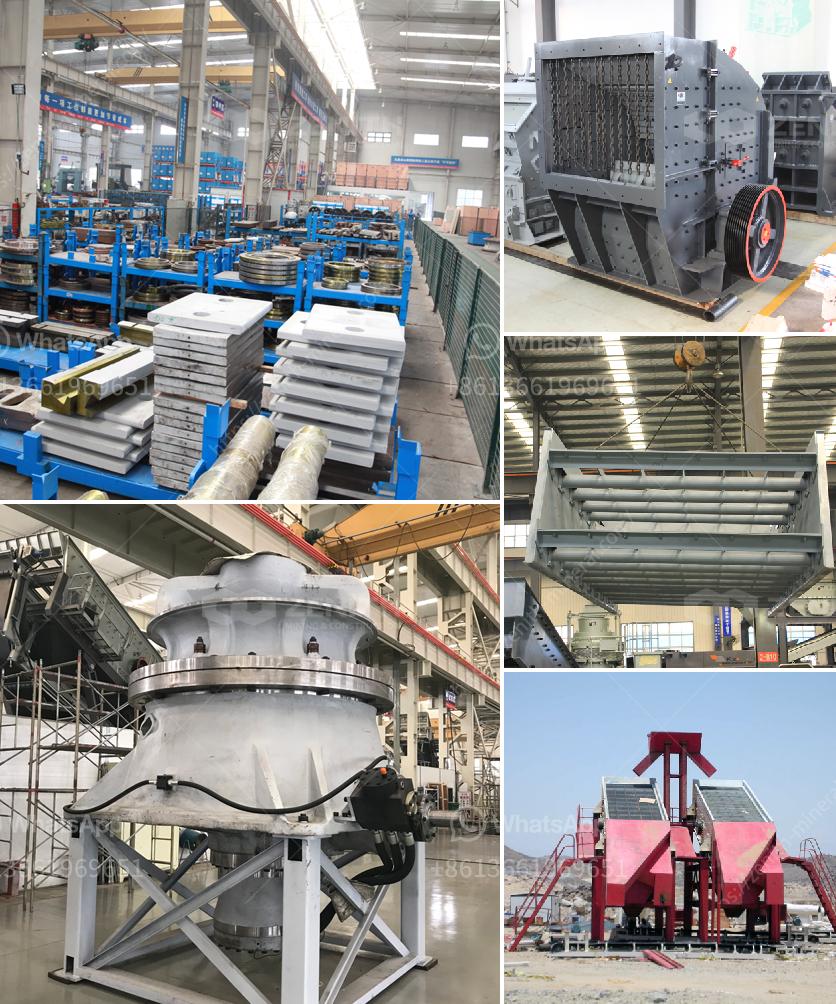
- Equipment and Machinery: Purchase or lease the necessary mining equipment and machinery. This includes drilling rigs, excavators, trucks, and processing plants.
5. Compliance and Regulations
- Health and Safety: Comply with health and safety regulations set by the Mine Health and Safety Inspectorate. Implement safety protocols and provide training to workers.
- Labor Laws: Adhere to labor laws and regulations, including fair wages, working conditions, and workers' rights.
- Community Engagement: Engage with local communities and stakeholders. Address their concerns and ensure that the mining activities benefit the local community.
6. Operational Management
- Hire Skilled Personnel: Employ skilled personnel, including geologists, engineers, technicians, and laborers.
- Production Management: Implement efficient production management practices to maximize output and minimize costs.
- Environmental Management: Continuously monitor and manage the environmental impact of mining activities. Implement measures to mitigate negative effects.
7. Marketing and Sales
- Market Research: Conduct market research to identify potential buyers and market trends.
- Sales Contracts: Negotiate and secure sales contracts with buyers. Ensure that the terms and conditions are favorable and protect your interests.
8. Continuous Improvement
- Innovation: Invest in new technologies and innovations to improve mining efficiency and reduce environmental impact.
- Sustainability: Implement sustainable mining practices to ensure the long-term viability of the mine.
Conclusion
Owning a mine in South Africa is a significant undertaking that requires careful planning, substantial investment, and adherence to legal and regulatory requirements. By following these steps, you can navigate the complexities of the mining industry and establish a successful mining operation.