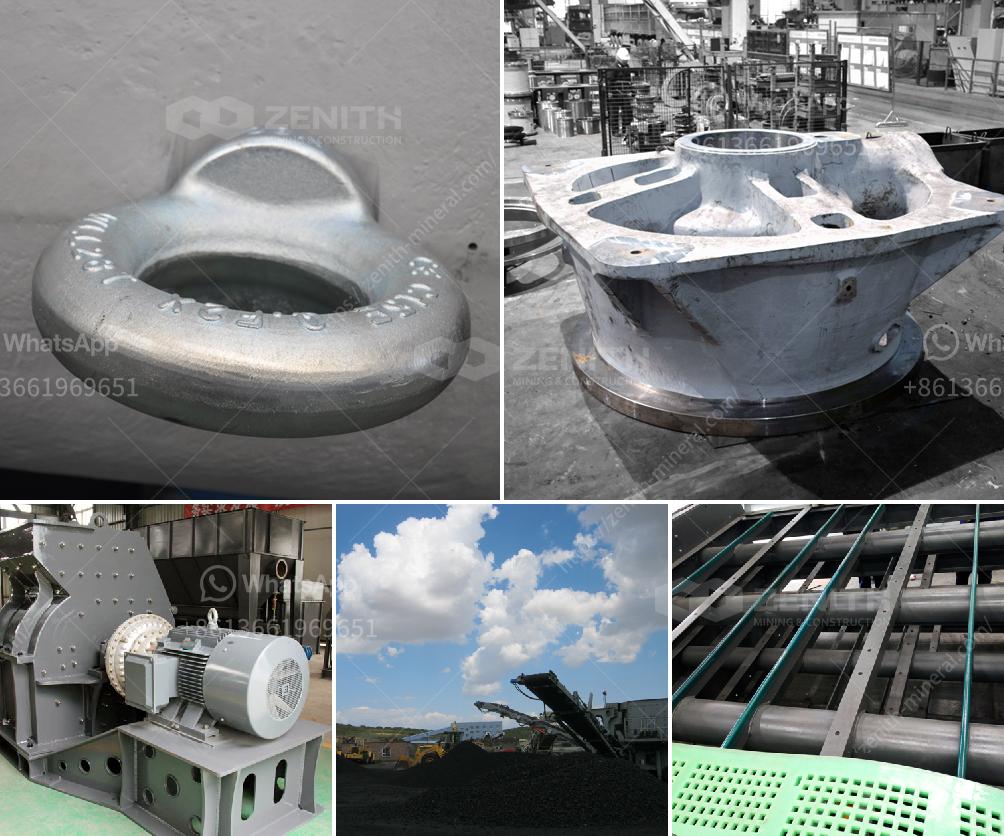
Gold mining in Ghana, Africa, is a significant industry that contributes to the country's economy. The process of mining gold in Ghana involves several steps and can be categorized into two main types: large-scale mining and small-scale (artisanal) mining. Here’s a detailed explanation of how individuals mine gold in Ghana:
Large-Scale Mining
-
Exploration and Prospecting:
- Geological Surveys: Companies conduct extensive geological surveys to identify potential gold deposits. This involves mapping, sampling, and drilling to determine the size and quality of the ore.
- Feasibility Studies: Once a potential site is identified, feasibility studies are conducted to assess the economic viability of mining the deposit.
-
Acquisition of Mining Rights:
- Licensing: Companies must obtain the necessary licenses and permits from the Ghanaian government. This includes environmental permits, mining leases, and other regulatory approvals.
-
Development and Construction:
- Infrastructure Development: Building the necessary infrastructure, such as roads, power supply, and water management systems, is crucial for large-scale mining operations.
- Mine Construction: This involves constructing the mine itself, including open pits or underground tunnels, processing plants, and waste disposal facilities.
-
Extraction:
- Open-Pit Mining: For surface deposits, open-pit mining is used. This involves removing large quantities of overburden (soil and rock) to access the ore beneath.
- Underground Mining: For deeper deposits, underground mining techniques are employed. This involves creating tunnels and shafts to reach the ore.
-
Processing:
- Crushing and Grinding: The extracted ore is crushed and ground into fine particles to liberate the gold.
- Cyanidation: The ground ore is treated with a cyanide solution to dissolve the gold. The gold-cyanide complex is then extracted from the solution.
- Smelting: The extracted gold is smelted to remove impurities and produce pure gold bars.
-
Rehabilitation and Closure:
- Environmental Management: Companies are required to rehabilitate the mining site after operations cease. This includes restoring the land, replanting vegetation, and ensuring that any environmental damage is mitigated.
Small-Scale (Artisanal) Mining
-
Prospecting:
- Manual Exploration: Individuals or small groups use basic tools like shovels, pans, and metal detectors to locate gold deposits. This often involves panning in rivers and streams where gold particles can be found.
-
Mining:
- Surface Mining: Artisanal miners typically work on surface deposits, using simple tools to dig and extract the ore. This can involve digging small pits or trenches.
- Alluvial Mining: In riverbeds, miners use pans or sluice boxes to separate gold particles from sediment. This method relies on the density of gold to separate it from lighter materials.
-
Processing:
- Manual Crushing and Grinding: The ore is manually crushed and ground using simple tools like hammers and pestles.
- Amalgamation: Mercury is often used to extract gold from the ore. The mercury binds with the gold to form an amalgam, which is then heated to evaporate the mercury, leaving behind pure gold. This method is hazardous due to mercury's toxicity.
-
Environmental and Health Concerns:
- Mercury Pollution: The use of mercury in artisanal mining poses significant environmental and health risks. Efforts are being made to introduce safer, mercury-free methods.
- Land Degradation: Artisanal mining can lead to significant land degradation and deforestation, impacting local ecosystems.
Regulatory and Social Aspects
-
Regulation and Formalization:
- Government Oversight: The Ghanaian government has implemented regulations to formalize and regulate artisanal mining. This includes issuing licenses and providing training to miners.
- Support Programs: Various programs aim to support artisanal miners by providing access to safer mining techniques, financial assistance, and market access.
-
Community Impact:
- Economic Benefits: Gold mining provides employment and income for many individuals and communities in Ghana.
- Social Challenges: Mining communities often face challenges such as poor working conditions, lack of access to education and healthcare, and social conflicts.
In summary, gold mining in Ghana involves both large-scale industrial operations and small-scale artisanal activities. Each type of mining has its own methods, challenges, and impacts on the environment and local communities. Efforts are ongoing to improve the sustainability and safety of gold mining practices in the country.