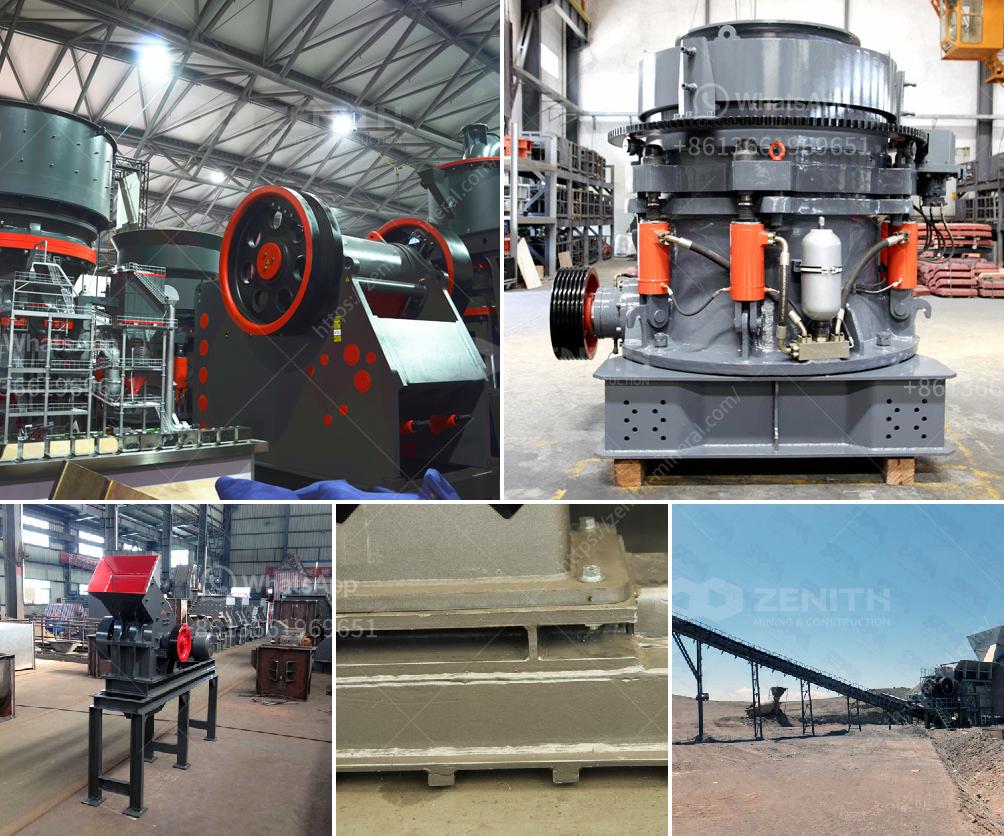
Starting a stone crusher plant involves several steps and considerations to ensure that the operation is efficient, safe, and compliant with local regulations. Here is a detailed guide on how to start a stone crusher mounting:
1. Conduct a Feasibility Study
Before starting any business, it's crucial to conduct a feasibility study to understand the market demand, competition, and potential profitability. This includes:
- Market Analysis: Determine the demand for crushed stone in your area.
- Cost Analysis: Estimate the costs involved in setting up and running the plant, including equipment, labor, and raw materials.
- Profitability Analysis: Calculate the potential revenue and profit margins.
2. Obtain Necessary Permits and Licenses
Operating a stone crusher plant requires various permits and licenses from local, state, and federal authorities. These may include:
- Environmental Permits: Ensure compliance with environmental regulations to minimize the impact on the environment.
- Zoning Permits: Verify that the location is zoned for industrial use.
- Business Licenses: Obtain the necessary business licenses to operate legally.
3. Choose a Suitable Location
The location of your stone crusher plant is critical for its success. Consider the following factors:
- Proximity to Raw Materials: Choose a location close to the source of raw materials to reduce transportation costs.
- Accessibility: Ensure the site is easily accessible for transportation of raw materials and finished products.
- Infrastructure: Check for availability of essential infrastructure like water, electricity, and roads.
4. Design the Plant Layout
Designing an efficient plant layout is crucial for optimizing production and minimizing costs. Consider the following:
- Flow of Materials: Plan the layout to ensure a smooth flow of materials from the raw material storage to the crusher and then to the finished product storage.
- Safety: Ensure that the layout includes safety measures to protect workers and equipment.
- Space for Expansion: Allow space for future expansion if needed.
5. Purchase Equipment
Invest in high-quality equipment to ensure efficient and reliable operation. The essential equipment includes:
- Primary Crusher: For initial crushing of large stones.
- Secondary Crusher: For further crushing to achieve the desired size.
- Conveyors: To transport materials between different stages of the crushing process.
- Screening Equipment: To separate crushed stones of different sizes.
- Dust Control Systems: To minimize dust emissions and comply with environmental regulations.
6. Install and Commission the Plant
Once the equipment is purchased, the next step is to install and commission the plant. This involves:
- Site Preparation: Clear the site and prepare the foundation for the equipment.
- Installation: Install the equipment according to the manufacturer's instructions.
- Testing: Test the equipment to ensure it is functioning correctly and make any necessary adjustments.
7. Hire and Train Staff
Hiring skilled and experienced staff is crucial for the successful operation of the plant. This includes:
- Operators: To operate the crushers and other equipment.
- Maintenance Staff: To perform regular maintenance and repairs.
- Safety Officers: To ensure compliance with safety regulations.
- Training: Provide training to staff on the operation and maintenance of the equipment, as well as safety procedures.
8. Develop a Marketing Strategy
To ensure the success of your stone crusher plant, develop a marketing strategy to attract customers. This includes:
- Identifying Target Markets: Determine the industries and businesses that require crushed stone.
- Pricing Strategy: Set competitive prices to attract customers while ensuring profitability.
- Promotion: Use various marketing channels to promote your products, such as online advertising, trade shows, and direct sales.
9. Implement Safety and Environmental Measures
Ensure that your plant complies with all safety and environmental regulations. This includes:
- Safety Training: Regularly train staff on safety procedures and emergency response.
- Dust Control: Implement measures to control dust emissions, such as water sprays and dust collectors.
- Waste Management: Properly manage waste materials to minimize environmental impact.
10. Monitor and Optimize Operations
Regularly monitor the performance of your plant and make necessary adjustments to optimize operations. This includes:
- Performance Metrics: Track key performance indicators (KPIs) such as production rates, downtime, and maintenance costs.
- Continuous Improvement: Implement continuous improvement processes to enhance efficiency and reduce costs.
By following these steps, you can successfully start and operate a stone crusher plant. Remember to stay informed about industry trends and regulations to ensure long-term success.