

Separating iron from its ore involves a series of processes that are collectively known as iron extraction. The primary method used for this purpose is the blast furnace process. Here is a detailed explanation of the steps involved:
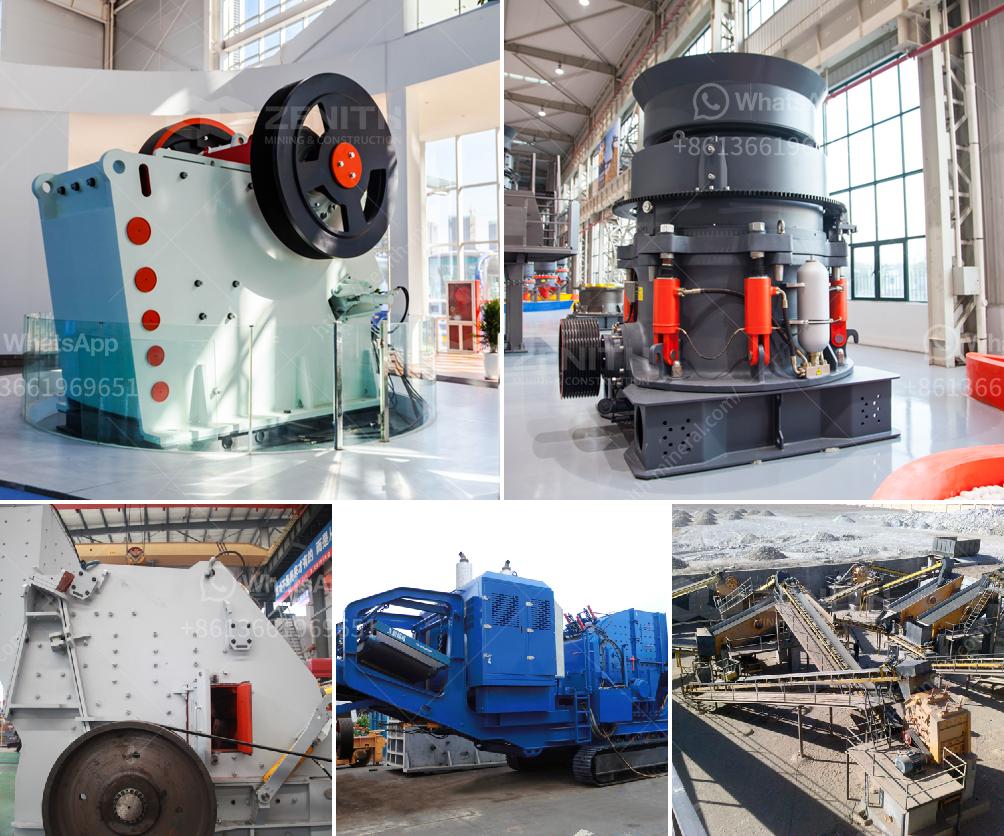
Concentration of Ore: The first step in the extraction of iron is the concentration of the ore. This involves the removal of impurities such as soil and sand. The ore is crushed and then washed to remove these impurities. This process is known as beneficiation.
Calcination and Roasting: The concentrated ore is then subjected to calcination or roasting. Calcination involves heating the ore in the absence of air to remove volatile impurities such as water and carbon dioxide. Roasting, on the other hand, involves heating the ore in the presence of air to convert sulfides into oxides.
Reduction in Blast Furnace: The calcined or roasted ore is then fed into a blast furnace along with coke (a form of carbon) and limestone (calcium carbonate). The blast furnace is a tall, cylindrical structure lined with refractory bricks to withstand high temperatures. The following reactions take place in the blast furnace:
Formation of Slag: Limestone acts as a flux and combines with impurities such as silica to form slag, which is lighter than molten iron and floats on top of it. The slag can be removed and used in various applications such as road construction.
Tapping of Molten Iron: The molten iron, also known as pig iron, is tapped from the bottom of the blast furnace and can be further processed to produce steel or cast iron.
Refining: The pig iron obtained from the blast furnace contains impurities such as carbon, sulfur, phosphorus, and silicon. These impurities are removed in a process called refining. This can be done using various methods such as the basic oxygen process, electric arc furnace, or open hearth furnace.
Casting: The refined iron is then cast into molds to produce various shapes and sizes of iron products.
In summary, the separation of iron from its ore involves concentration, calcination or roasting, reduction in a blast furnace, formation of slag, tapping of molten iron, refining, and casting. Each of these steps is crucial in ensuring that the final product is of high quality and suitable for various industrial applications.