Iron is primarily extracted from its ore, which is typically haematite (Fe₂O₃) or magnetite (Fe₃O₄), through a process known as blast furnace extraction. Here's a simplified overview of the process:
-
Concentration of Ore:
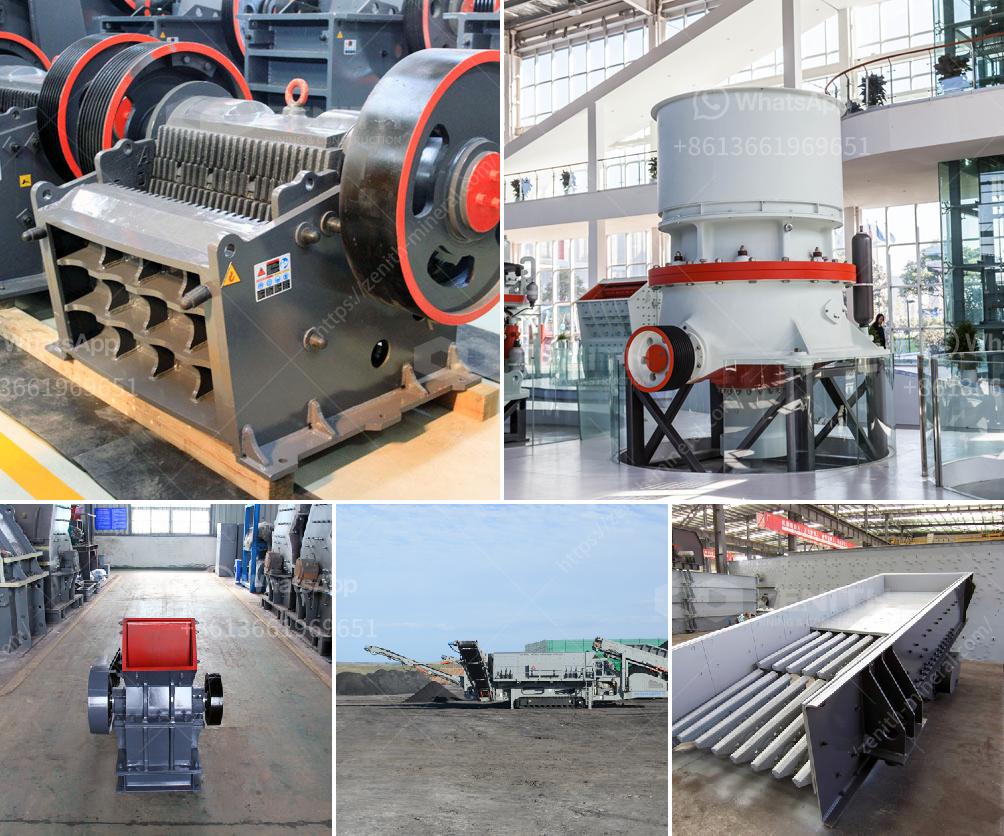
- The ore is crushed and concentrated to increase the iron content by removing impurities, typically through a method called flotation or magnetic separation.
-
Calcination or Roasting:
- The concentrated ore is heated in the presence of air in a furnace to remove moisture and impurities such as sulfur and carbonates. This process is known as calcination (for carbonate ores) or roasting (for sulfide ores).
-
Blast Furnace Operation:
- The concentrated ore, along with coke (a form of carbon) and limestone (calcium carbonate), is fed into the top of a blast furnace.
- A blast of hot air is introduced at the bottom of the furnace. The coke burns in the presence of this air, producing carbon dioxide and heat:
\[
C + O₂ \rightarrow CO₂
\]
- The carbon dioxide reacts with more coke to form carbon monoxide:
\[
CO₂ + C \rightarrow 2CO
\]
- Carbon monoxide is the reducing agent that reduces the iron ore to molten iron:
\[
Fe₂O₃ + 3CO \rightarrow 2Fe + 3CO₂
\]
-
Formation of Slag:
- Limestone decomposes to produce lime (CaO) and carbon dioxide:
\[
CaCO₃ \rightarrow CaO + CO₂
\]
- The lime reacts with silica (SiO₂), an impurity in the ore, to form slag (calcium silicate):
\[
CaO + SiO₂ \rightarrow CaSiO₃
\]
- Slag floats on the molten iron and can be removed.
-
Tapping:
- The molten iron collects at the bottom of the furnace and can be tapped off periodically. This iron, known as pig iron, contains about 4-5% carbon and other impurities.
-
Conversion to Steel (Optional):
- Pig iron can be further refined to produce steel by reducing the carbon content and removing other impurities through processes like the Basic Oxygen Process or Electric Arc Furnace.
This entire sequence takes place in a large, vertical structure called a blast furnace, which can operate continuously for years before needing a shutdown for maintenance.