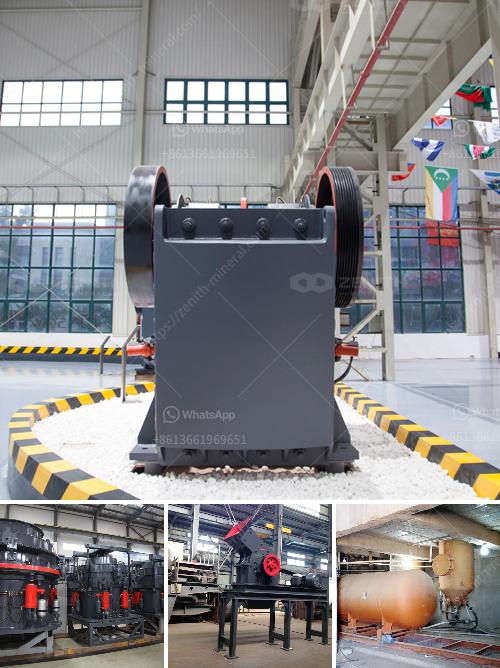
The selection of a crusher for a particular application involves considering several factors to ensure it is suitable for the specific requirements of the task. Here are some key factors that affect the selection of a crusher:
-
Material Characteristics:
- Hardness: Different materials have varying hardness levels, which influences the choice of crusher. For example, jaw crushers and gyratory crushers are typically used for hard materials, while impact crushers may be more suitable for softer materials.
- Abrasiveness: Highly abrasive materials can cause wear on crusher components. Impact crushers and primary gyratory crushers are better for handling such materials.
- Moisture Content: Materials with high moisture content can be challenging to process as they may cause clogging. In such cases, crushers designed to handle wet and sticky materials may be required.
-
Material Size and Feed:
- Input Size: The size of the raw material impacts the type of crusher you'll need. Larger feed sizes typically require jaw crushers or primary gyratory crushers.
- Required Product Size: The desired size of the final product will determine the size reduction ratio and crusher type you choose. Cone crushers or fine jaw crushers might be necessary for finer outputs.
-
Capacity Requirements:
- Throughput: The amount of material that needs to be crushed within a specific timeframe will influence the type and size of the crusher. For high-capacity requirements, gyratory crushers or large jaw crushers are usually preferred.
-
Operational Considerations:
- Efficiency: The efficiency of the crusher in terms of energy consumption and reduction ratio should be evaluated.
- Ease of Maintenance: Crushers that are easy to maintain and have readily available spare parts are often more desirable.
- Mobility: Depending on the site requirements, whether a stationary or mobile crusher is more suitable can greatly influence the choice.
-
Cost Implications:
- Initial Investment: The upfront cost of the crusher is a significant factor for most operations.
- Operating Costs: Consider ongoing costs, including maintenance, wear parts, and energy consumption.
-
Specific Application Needs:
- Aggregate Shape: For certain applications, like producing aggregate for concrete, the shape of the crushed material is important. Different crushers can yield different shapes of the final product.
- Specific Industry Requirements: Industries may have specific regulations or standards that influence crusher selection.
-
Environmental and Safety Regulations:
- Crushers should comply with environmental standards and safety regulations applicable in the area of operation.
Considering these factors can help in selecting the most appropriate crusher that not only meets the technical requirements but also ensures efficient and cost-effective operation.