

Extracting silver from ore involves several steps. Here's a simplified overview of the process:
Mining: The first step is obtaining the ore from the ground through mining operations like open-pit or underground mining.
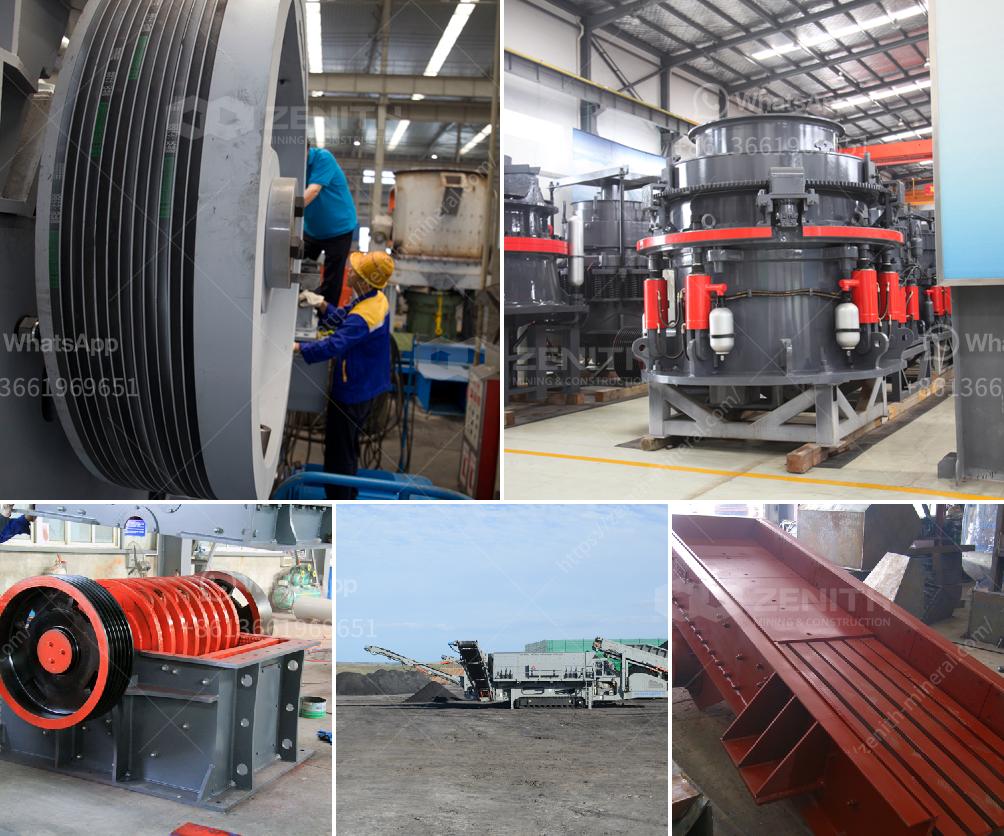
Crushing: Once the ore is extracted, it's typically crushed and ground into a fine powder to increase the surface area for the extraction process.
Concentration: The crushed ore is then concentrated to separate out the valuable minerals. This can be done using various methods, such as froth flotation, gravity separation, or magnetic separation.
Roasting: For certain types of ores, roasting is required to oxidize the sulfur content. This involves heating the ore in the presence of oxygen to convert sulfides into oxides and release any sulfur dioxide.
Leaching: The concentrated ore is then subjected to a leaching process. Cyanidation is a common method where the ore is treated with a cyanide solution that dissolves the silver and forms a complex ion.
Precipitation: Silver is recovered from the leach solution by adding a reducing agent like zinc or activated carbon. This process precipitates the silver ions out of the solution.
Refining: The precipitated silver is then melted and refined to remove impurities and produce high-purity silver. This can be done through processes like electrorefining or the use of a furnace.
Casting: Finally, the refined silver is cast into bars, ingots, or other desired forms.
It's worth noting that each step must be carefully controlled and monitored, and environmental regulations must be followed to minimize the impact on the environment.