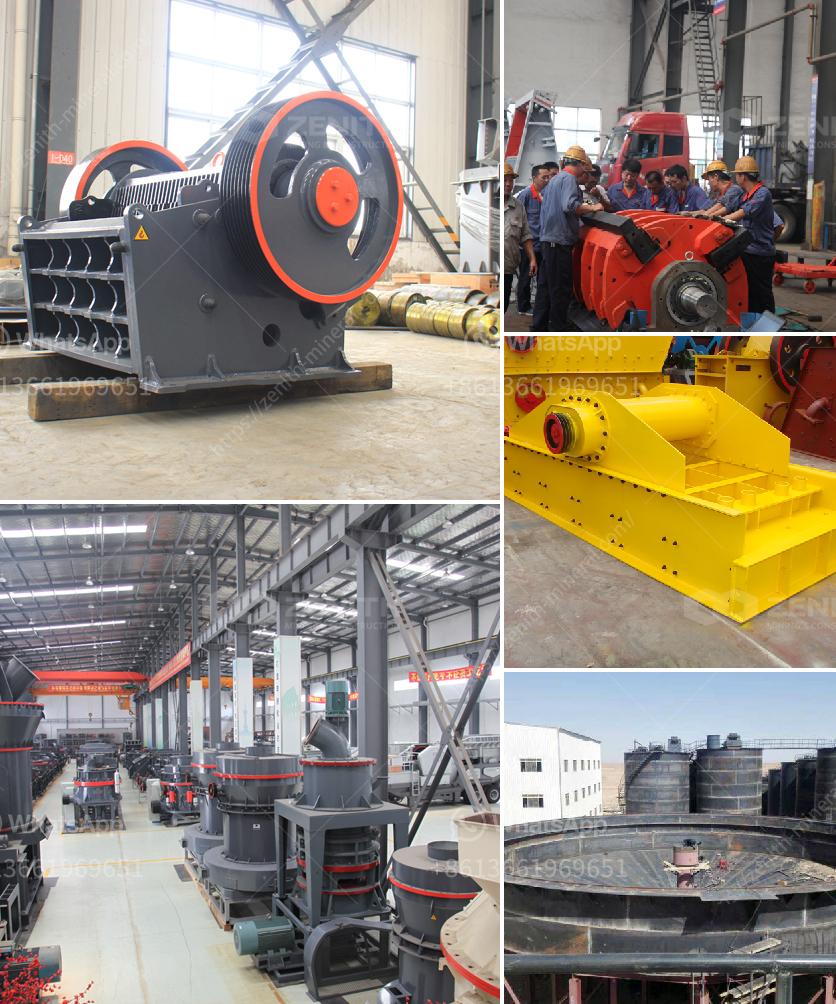
Vibrating screens are crucial in various industries for separating material by size or moisture content. Here’s a brief overview of how they work:
-
Basic Principle:
- The primary mechanism of vibrating screens is to utilize vibrating motion to convey and sort materials through a screening surface.
- They generally operate on an inclined plane, allowing gravity to help move materials down the screen.
-
Components:
- Screen Decks: The screening surfaces which materials pass over; can be made from steel, rubber, or polyurethane.
- Vibrator Motors: Generate vibratory motion; typically mounted on the screen body.
- Spring Assemblies: Support the screen and absorb the vibrations to prevent damage to the machine's framework.
-
Operation:
- Feeding: Material is fed onto the screen via a conveyor, hopper, or another device.
- Vibration: Motors induce vibration, causing the screen deck to move back and forth rapidly.
- Separation: As the screen vibrates, smaller particles fall through the screening surface while larger ones slide off the end.
-
Types of Motion:
- Linear Vibrating Screens: The motors cause linear motion, pushing materials straight forward.
- Circular Vibrating Screens: Circular or elliptical motion created by out-of-balance weights, moving materials in a spiral path.
-
Applications:
- Common in mining, quarrying, recycling, and industrial processing for sorting aggregates, ores, coal, sand, and other materials.
Understanding how vibrating screens work helps industries select the right type and configuration to optimize efficiency and product quality.