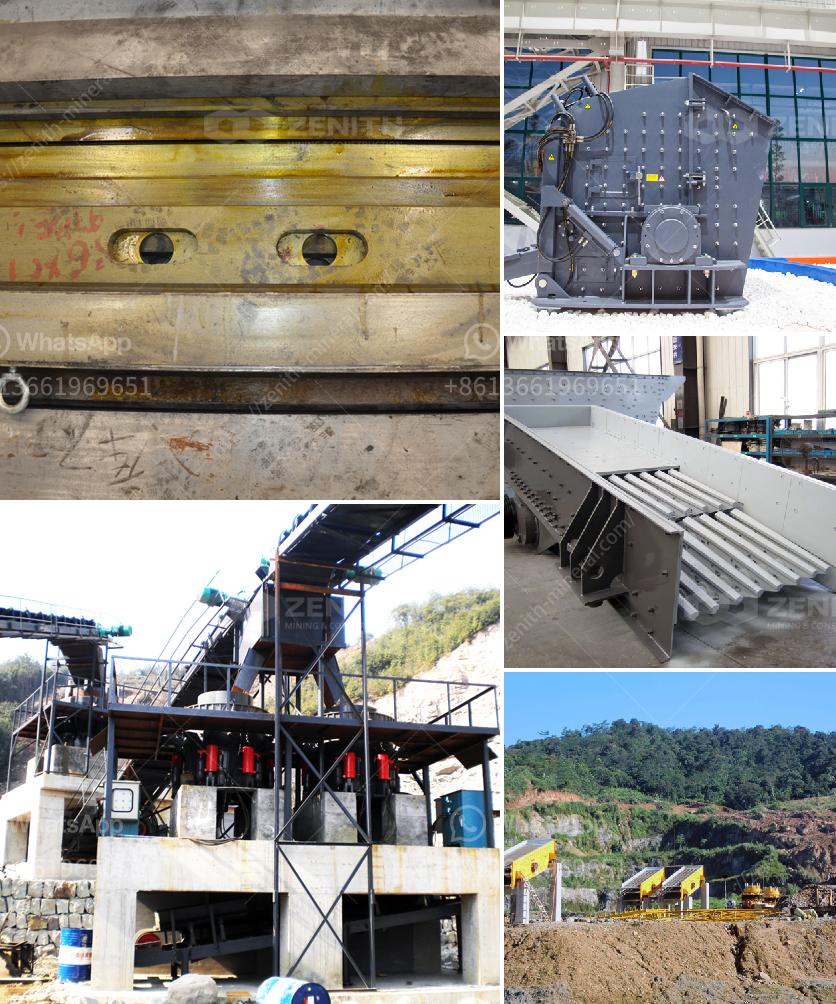
The amplitude of a vibro feeder, which is a device used to feed material in a controlled manner, is a critical parameter that determines the efficiency and effectiveness of the feeding process. Measuring the amplitude of a vibro feeder involves several steps and can be done using different methods and instruments. Here’s a detailed explanation of how this measurement is typically carried out:
1. Understanding Amplitude in Vibro Feeders
Amplitude in the context of a vibro feeder refers to the maximum displacement of the feeder tray from its rest position during its oscillatory motion. This displacement is usually measured in millimeters (mm) or inches and is a key factor in determining the feed rate and the smoothness of the material flow.
2. Instruments Used for Measurement
Several instruments can be used to measure the amplitude of a vibro feeder:
- Dial Indicators: These are mechanical devices that measure small linear distances with high precision. They can be attached to the feeder tray to measure its displacement.
- Laser Displacement Sensors: These sensors use laser beams to measure the distance between the sensor and the feeder tray. They provide high accuracy and can measure dynamic changes in displacement.
- Accelerometers: These devices measure the acceleration of the feeder tray, which can be integrated to obtain the displacement (amplitude). They are useful for dynamic measurements and can be attached directly to the feeder tray.
- Vibration Meters: These handheld devices can measure the vibration amplitude directly. They are convenient for quick checks and maintenance purposes.
3. Measurement Procedure
The procedure to measure the amplitude of a vibro feeder typically involves the following steps:
-
Preparation:
- Ensure the vibro feeder is operating under normal conditions with the usual load of material.
- Select the appropriate measurement instrument based on the required accuracy and the available equipment.
-
Instrument Setup:
- Dial Indicator: Attach the dial indicator to a fixed point near the feeder tray. The probe of the dial indicator should be in contact with the tray surface.
- Laser Displacement Sensor: Position the sensor at a fixed point where it can continuously measure the distance to the feeder tray.
- Accelerometer: Attach the accelerometer securely to the feeder tray. Ensure it is properly calibrated.
- Vibration Meter: Hold the vibration meter against the feeder tray at a consistent point.
-
Taking Measurements:
- Dial Indicator: Observe the dial as the feeder operates. The maximum and minimum readings on the dial indicate the amplitude.
- Laser Displacement Sensor: Record the distance readings over time. The difference between the maximum and minimum readings gives the amplitude.
- Accelerometer: Record the acceleration data and integrate it to obtain the displacement. The peak-to-peak displacement is the amplitude.
- Vibration Meter: Read the amplitude value directly from the meter’s display.
-
Data Analysis:
- For instruments that provide raw data (like accelerometers), further analysis may be required to convert the data into amplitude values.
- Ensure the measurements are consistent and repeatable. Take multiple readings to account for any variations.
4. Factors Affecting Amplitude Measurement
Several factors can affect the accuracy and reliability of amplitude measurements:
- Load on the Feeder: The amount and type of material being fed can influence the amplitude. Ensure measurements are taken under typical operating conditions.
- Feeder Settings: The frequency and power settings of the vibro feeder can affect the amplitude. Ensure these settings are consistent during measurements.
- Environmental Conditions: External vibrations, temperature changes, and other environmental factors can impact the measurements. Try to minimize these influences.
5. Importance of Amplitude Measurement
Measuring the amplitude of a vibro feeder is crucial for several reasons:
- Optimizing Feed Rate: The amplitude directly affects the feed rate. Accurate measurement helps in setting the optimal amplitude for the desired feed rate.
- Preventing Damage: Excessive amplitude can cause damage to the feeder and the material being fed. Regular measurement helps in maintaining safe operating conditions.
- Ensuring Consistency: Consistent amplitude ensures uniform feeding, which is important for downstream processes.
In summary, measuring the amplitude of a vibro feeder involves selecting the appropriate instrument, setting it up correctly, taking accurate measurements, and analyzing the data. This process is essential for optimizing the feeder’s performance and ensuring the smooth and efficient operation of the feeding process.