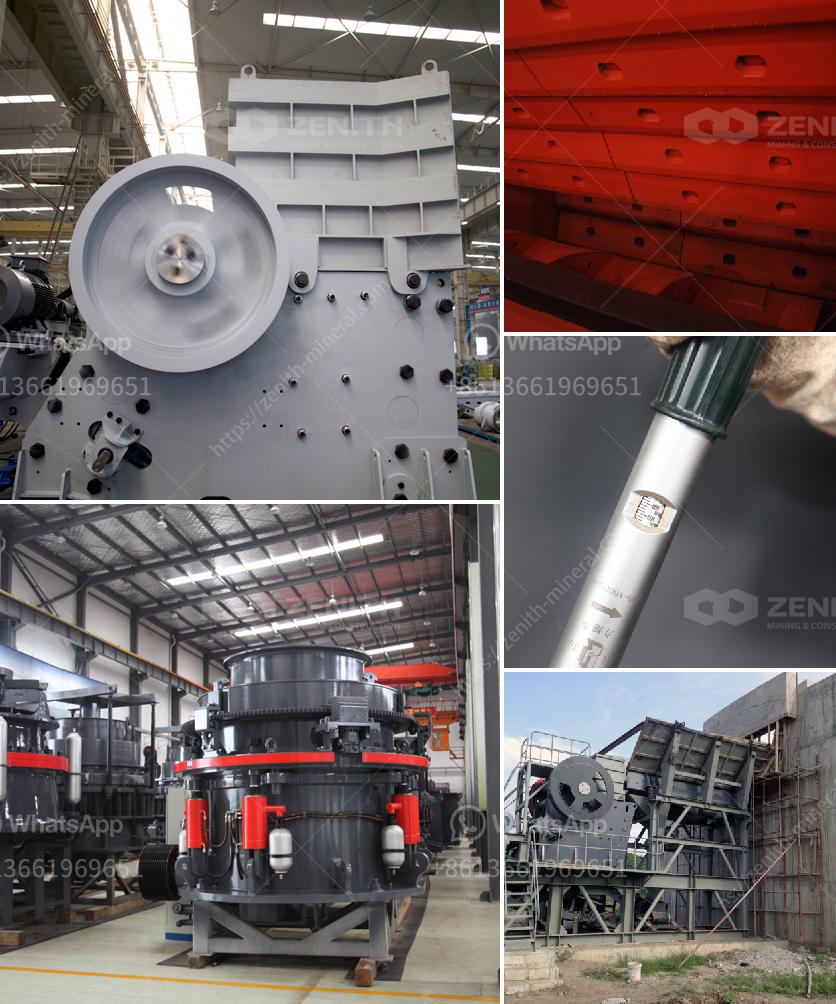
Setting up a coal pulverizer plant in Peru involves several key steps, each demanding diligent planning and execution. Here’s a general guideline:
Feasibility Study and Permitting:
- Market Analysis: Assess the demand for pulverized coal in Peru and surrounding regions. Identify potential customers and use cases.
- Regulatory Compliance: Research Peruvian environmental and industrial regulations concerning coal plants. Obtain necessary permits from environmental agencies and other regulatory bodies.
Site Selection:
- Location: Choose a site with adequate space for the plant and consider proximity to coal mines, transportation infrastructure, and utilities.
- Infrastructure: Ensure the site has access to necessary utilities (water, electricity) and transportation routes (railways, highways).
Design and Engineering:
- Plant Design: Work with engineering firms to design the plant. This includes the layout, choice of pulverizer technology (ball mills, vertical roller mills, etc.), and other equipment specifics.
- Environmental Impact Assessment: Conduct an Environmental Impact Assessment (EIA) as required by Peruvian law. Mitigate any identified environmental risks.
Procurement:
- Equipment Selection: Select reliable, efficient pulverizers, conveyors, feeders, and other necessary machinery. Consider vendors' reputations and after-sales support.
- Supplies: Secure contracts for steady coal supply, considering quality and logistical aspects.
Construction:
- Engineering, Procurement, and Construction (EPC): Engage an EPC contractor to oversee the construction. Ensure they have experience with industrial projects in Latin America.
- Infrastructure Development: Construct the supporting infrastructure, including roads, storage facilities, and worker accommodations.
Installation and Commissioning:
- Installation: Following the design plans, install the pulverizers, feeders, conveyors, and other equipment. Ensure proper calibration and integration of systems.
- Testing: Once installed, rigorously test all systems. Address any issues before commencing full-scale operations.
Training and Operations:
- Staff Training: Train the local workforce on plant operations, safety protocols, and maintenance procedures.
- Operational Procedures: Develop and implement standard operating procedures (SOPs) and maintenance schedules.
Environmental and Safety Management:
- Pollution Control: Install and maintain pollution control systems to minimize emissions and manage waste properly.
- Safety Measures: Ensure the site complies with all safety regulations. Equip the plant with necessary safety gear and emergency response systems.
Ongoing Management:
- Monitoring and Compliance: Regularly monitor plant operations for compliance with environmental and safety standards.
- Continuous Improvement: Stay updated with technological advancements and operational best practices to enhance efficiency and reduce environmental impact.
Community Engagement:
- Community Relations: Engage with the local community to address their concerns and ensure the plant’s operations benefit the local economy.
By meticulously planning each stage and being mindful of local regulations and community impact, you can establish a successful coal pulverizer plant in Peru. Consulting with local experts and international consultants with experience in similar projects can significantly enhance your project’s feasibility and sustainability.