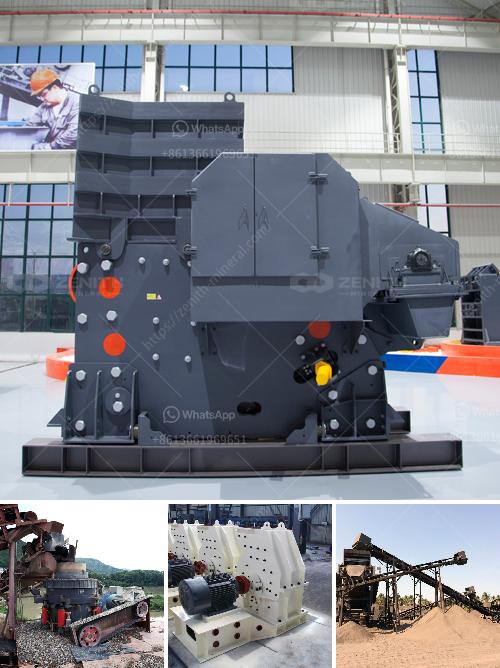


The grinding process in mining is a critical step in the extraction and processing of minerals. It involves the reduction of the size of ore particles to liberate the valuable minerals contained within the ore. This process is essential for the subsequent separation and concentration of these minerals. Here is a detailed explanation of the grinding process in mining:
The primary purpose of grinding in mining is to reduce the size of the ore particles to a level where the valuable minerals can be liberated from the surrounding waste rock. This is crucial for the efficiency of the subsequent separation processes, such as flotation, magnetic separation, or leaching.
There are several types of grinding mills used in the mining industry, each with its specific application and advantages:
Ball Mills: These are cylindrical devices that rotate around a horizontal axis, partially filled with the material to be ground plus the grinding medium (usually steel balls). Ball mills are used for both primary and secondary grinding.
Rod Mills: Similar to ball mills, but they use long steel rods as the grinding medium. Rod mills are typically used for coarse grinding.
SAG Mills (Semi-Autogenous Grinding Mills): These mills use a combination of the ore itself and a small amount of grinding media (steel balls) to aid in the grinding process. SAG mills are often used in the primary grinding stage.
AG Mills (Autogenous Grinding Mills): These mills use the ore itself as the grinding media. They are used for primary grinding and are particularly effective for ores that are not too hard.
The grinding media used in the mills can vary depending on the type of mill and the material being processed. Common grinding media include:
The grinding process can be divided into several stages:
Crushing: The initial stage where large pieces of ore are reduced to smaller, more manageable sizes.
Primary Grinding: The first stage of grinding where the ore is reduced to a size suitable for secondary grinding.
Secondary Grinding: Further reduction of the ore to a fine powder, which is necessary for the liberation of the valuable minerals.
Several factors can affect the efficiency of the grinding process:
Ore Characteristics: The hardness, density, and composition of the ore can impact the grinding efficiency.
Mill Speed: The speed at which the mill operates can affect the grinding process. Higher speeds can increase the grinding efficiency but may also increase wear on the mill and grinding media.
Grinding Media Size and Density: The size and density of the grinding media can impact the grinding efficiency. Larger and denser media can provide more impact force, leading to better grinding.
Mill Liner Design: The design of the mill liners can affect the grinding efficiency by influencing the motion of the grinding media and the ore within the mill.
Grinding is an energy-intensive process, and the energy consumption can be a significant cost factor in mining operations. Efforts to improve grinding efficiency and reduce energy consumption are ongoing in the industry, with advancements in mill design, grinding media, and process optimization.
The grinding process can generate dust and noise, which can have environmental and health impacts. Proper dust control measures and noise mitigation strategies are essential to minimize these impacts.
The grinding process in mining is a vital step in the extraction and processing of minerals. It involves the reduction of ore size to liberate valuable minerals, using various types of grinding mills and media. The efficiency of the grinding process can be influenced by several factors, including ore characteristics, mill speed, grinding media size and density, and mill liner design. Energy consumption and environmental considerations are also important aspects of the grinding process.