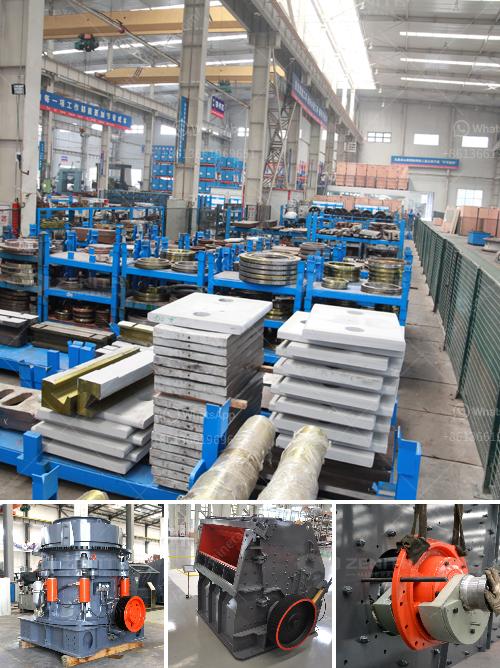
Mining nickel ore involves several steps and requires specialized equipment and techniques. Here is a detailed overview of the process:
1. Exploration and Assessment
Before mining can begin, geologists and mining engineers conduct extensive exploration to locate nickel deposits. This involves:
- Geological Surveys: Using geological maps and satellite imagery to identify potential nickel-rich areas.
- Sampling and Drilling: Collecting rock samples and drilling core samples to analyze the concentration of nickel.
- Feasibility Studies: Assessing the economic viability of mining the deposit, including the size, grade, and accessibility of the ore.
2. Site Preparation
Once a viable deposit is identified, the site must be prepared for mining:
- Land Clearing: Removing vegetation and topsoil to access the ore body.
- Infrastructure Development: Building roads, power supplies, and water sources to support mining operations.
- Environmental Permits: Obtaining necessary permits and ensuring compliance with environmental regulations.
3. Mining Methods
Nickel ore can be mined using different methods depending on the deposit type:
- Open-Pit Mining: Used for shallow deposits. Involves removing large quantities of overburden (surface material) to access the ore.
- Underground Mining: Used for deeper deposits. Involves creating tunnels and shafts to reach the ore body.
4. Ore Extraction
The actual extraction of nickel ore involves:
- Drilling and Blasting: Creating fractures in the rock to facilitate ore removal.
- Loading and Hauling: Using heavy machinery like loaders and haul trucks to transport the ore to the processing plant.
5. Ore Processing
Once the ore is extracted, it must be processed to extract the nickel:
- Crushing and Grinding: Reducing the size of the ore to facilitate further processing.
- Concentration: Using techniques like flotation to increase the nickel concentration in the ore.
- Smelting and Refining: Extracting pure nickel from the concentrated ore through pyrometallurgical or hydrometallurgical processes.
6. Waste Management
Mining generates significant waste, which must be managed responsibly:
- Tailings Management: Storing and treating the waste material left after ore processing.
- Reclamation: Restoring the mined land to its natural state or repurposing it for other uses.
7. Health and Safety
Ensuring the safety of workers and the surrounding community is paramount:
- Safety Training: Providing comprehensive training to workers on safe mining practices.
- Protective Equipment: Ensuring all workers have access to necessary protective gear.
- Monitoring: Regularly monitoring air quality, noise levels, and other environmental factors to minimize health risks.
8. Environmental Considerations
Mining can have significant environmental impacts, which must be mitigated:
- Pollution Control: Implementing measures to control air and water pollution.
- Biodiversity Conservation: Protecting local wildlife and habitats from mining activities.
- Sustainable Practices: Adopting sustainable mining practices to minimize environmental footprint.
Conclusion
Mining nickel ore is a complex process that requires careful planning, specialized equipment, and adherence to environmental and safety regulations. By following these steps, mining companies can efficiently and responsibly extract nickel to meet global demand.