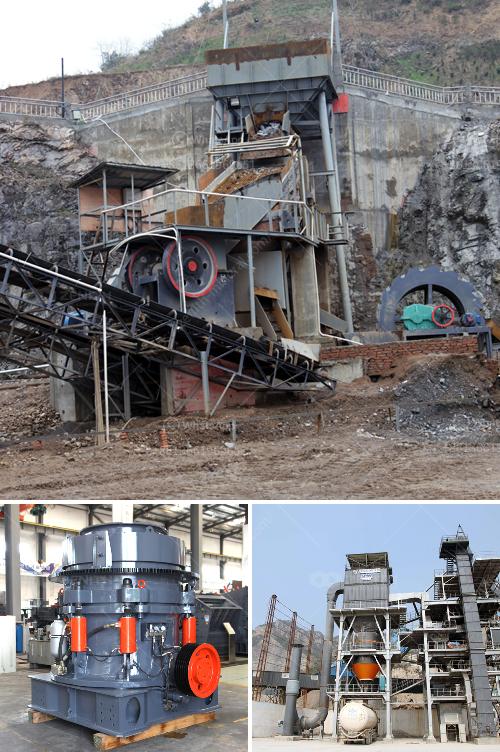
Mining and quarrying are activities that involve extracting valuable minerals and materials from the earth. Here’s a brief overview of each:
Mining
- Definition: Mining is the process of extracting minerals and other geological materials from the earth. These resources may include metals, coal, oil shale, gemstones, limestone, chalk, dimension stone, rock salt, potash, gravel, and clay.
- Techniques:
- Surface Mining: This includes open-pit mining, strip mining, and mountaintop removal. It is typically used when mineral deposits are found close to the surface.
- Underground Mining: Techniques like shaft mining and drift mining are used to access deep-seated mineral deposits.
- Environmental Impact: Mining can lead to deforestation, habitat destruction, and pollution of air and water sources. For this reason, reclamation efforts are often required to restore the land post-mining.
Quarrying
- Definition: Quarrying is the process of extracting rock, sand, gravel, and other materials from the ground, often used for construction and building materials.
- Techniques:
- Open-Pit Quarrying: Commonly used to extract building stone, dimension stone, and aggregate materials for construction.
- Blasting: Explosives are sometimes used to break large chunks of stone for easier handling and transport.
- Environmental Impact: Similar to mining, quarrying can result in landscape alteration, dust and water pollution, and habitat destruction. Regulations and rehabilitation measures can mitigate these effects.
Both mining and quarrying are essential industries that provide raw materials for various applications but require stringent environmental management to minimize the ecological footprint.