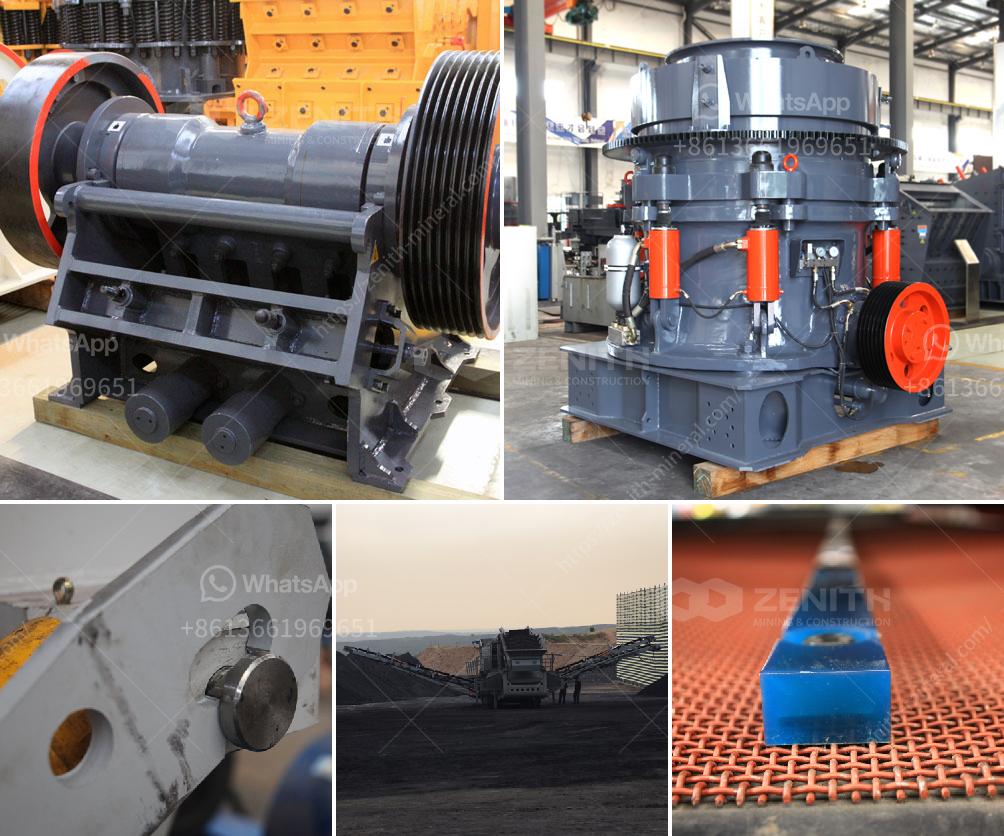
Building a portable ore crusher can be a complex task that involves various steps and a good understanding of mechanical engineering and metallurgy. Here is a high-level overview of the steps involved:
Materials Needed:
- Steel or aluminum sheets
- Industrial-grade toggle plates
- Bearings
- Motor (diesel or electric)
- Conveyor belt
- Heavy-duty welding equipment
- Crusher jaws (manganese steel)
- Nuts, bolts, and other fasteners
- Safety gear (goggles, gloves, etc.)
Step-by-Step Guide:
-
Design:
- Blueprints: Create detailed blueprints of the crusher. This will help in visualization and ensure that each component fits together correctly.
- Components: List out all components and their dimensions. This includes the frame, rotor, crushing chamber, and all moving parts.
-
Frame Construction:
- Cutting and Assembling: Cut the steel or aluminum sheets to the required dimensions for the frame. Assemble them using nuts, bolts, and heavy-duty welding to create a robust base structure.
- Stability: Ensure the frame is stable and can withstand vibrations and the weight of the components.
-
Crushing Mechanism:
- Jaw Crusher: Attach crusher jaws made of high-manganese steel on the moving jaw and fixed jaw. The moving jaw is designed to move in a reciprocating motion to crush the ore.
- Bearings and Toggle Plate: Install the bearings and toggle plates. These should be industrial-grade to handle the constant mechanical movement.
-
Motors and Power:
- Motor Installation: Decide between a diesel or electric motor and install it. This motor will drive the crusher mechanism.
- Conveyor Setup: Attach a conveyor belt to transport crushed ore from the crushing chamber to a collection area.
-
Safety Features:
- Safety Guards: Install safety guards around all moving parts to prevent accidents.
- Emergency Shutoff: Make sure there is an emergency shutoff switch that can immediately stop the crusher in case of an emergency.
-
Testing and Adjustment:
- Initial Run: Test the crusher with small amounts of ore to ensure everything is working correctly.
- Adjustments: Make any necessary adjustments to the jaw alignment, motor power, and conveyor speed.
-
Portability:
- Wheels and Handles: Attach wheels and handles to the frame to make the crusher portable. Ensure that it can be easily moved but remains steady when in operation.
-
Documentation and Compliance:
- Manual: Write a detailed manual on how to operate and maintain the crusher.
- Regulatory Compliance: Ensure that the crusher meets all local and national safety regulations.
-
Purchase or Upgrade:
- If building a crusher seems too complex, there are many portable ore crushers available for sale. Research different brands and models and consider purchasing one that meets your needs.
Shop:
- Local Suppliers: Visit local industrial suppliers for materials and components.
- Online Retailers: Online retailers like Amazon, eBay, or specialized industrial equipment websites can provide many of the necessary parts.
Additional Tips:
- Skills Required: This project requires welding, mechanical assembly, and electrical wiring skills. If you lack any of these, consider consulting with professionals.
- Maintenance: Regular maintenance is crucial to ensure the crusher runs efficiently and safely.
Building a portable ore crusher is not a project to be taken lightly. Proper planning, attention to detail, and adherence to safety guidelines are crucial.
For a Ready-Made Option:
- Visit industrial equipment stores or online marketplaces.
- Look for reviews and testimonials to ensure reliability and durability.
Building or acquiring a portable ore crusher requires careful consideration of your specific needs and capabilities. Always prioritize safety and compliance with engineering standards.