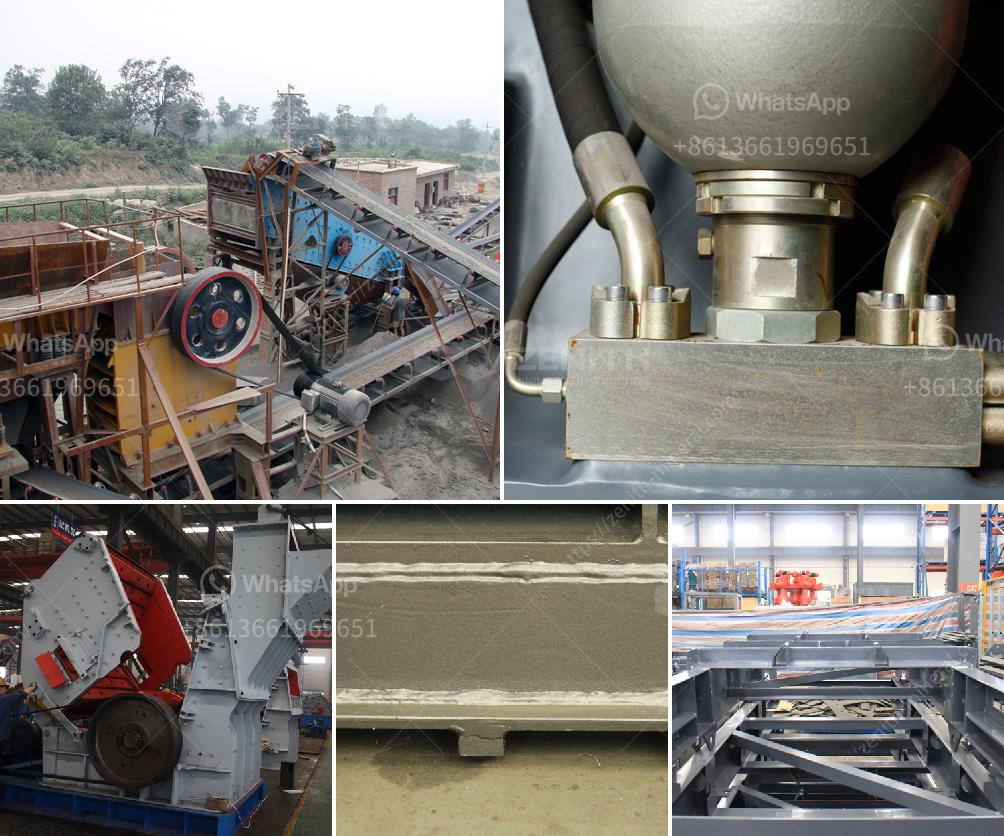


Selecting the right primary crusher is a critical decision for your mining or aggregate operation. Here are some key factors to consider:
Material Characteristics: Understand the material's hardness, abrasiveness, and moisture content. Rocks with high hardness (e.g., granite) require more robust machinery than softer materials (e.g., limestone).
Feed Size: Determine the maximum feed size and the size distribution of the raw material. This will influence the choice and design of the crusher.
Capacity Requirements: Estimate the expected output in tons per hour. This helps in choosing the crusher that can handle your production needs.
Output Size and Shape: Define the desired product size and shape. This will determine the crusher’s size reduction ratio and capabilities.
Crusher Type: Choose between different types of crushers:
Operational Considerations: Factor in the ease of maintenance, energy consumption, and robustness of the crusher.
Location and Space Constraints: Evaluate the installation site, ensuring the crusher fits within the available space and allows for easy maintenance.
Economic Factors: Consider the initial purchase cost, operating costs, and potential maintenance expenses.
Compatibility with Existing Systems: Ensure the crusher integrates well with the rest of your processing plant.
Vendor Support: Assess the manufacturer's reputation, availability of spares, and technical support.
By carefully evaluating these factors, you can select a primary crusher that meets your operational requirements and ensures efficiency and productivity in your crushing process.