

Bauxite is primarily processed into alumina (aluminum oxide) through the Bayer process. Here’s a step-by-step overview of how this works:
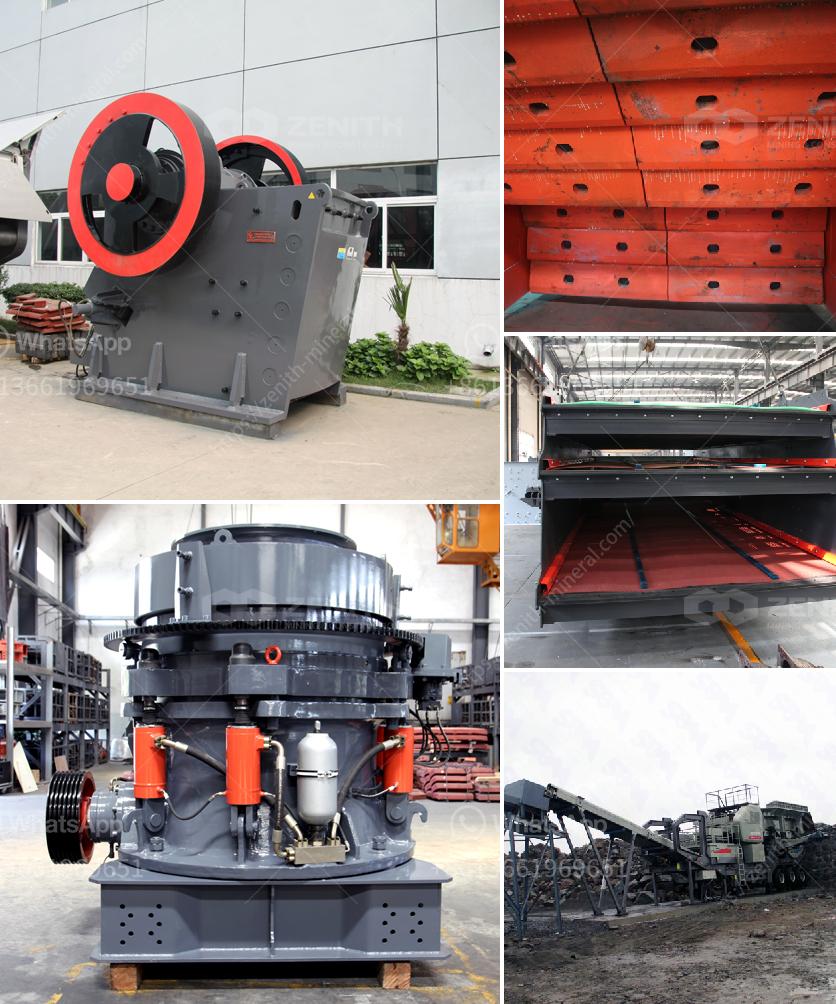
Crushing and Grinding: Bauxite is first crushed to a smaller size, then ground into a fine powder.
Digestion: The powdered bauxite is mixed with a hot, concentrated solution of sodium hydroxide (NaOH), which dissolves the alumina. Impurities such as iron oxides, silica, and titanium dioxide remain solid and do not dissolve.
Clarification: The solution is then allowed to settle in settling tanks, where the undissolved impurities settle to the bottom. This residue is known as “red mud.”
Precipitation: The clear sodium aluminate solution is cooled and seeded with aluminum hydroxide crystals, which help precipitate pure alumina out of the solution.
Calcination: The precipitated aluminum hydroxide is eventually heated in rotary kilns or fluidized bed calciners at temperatures around 1,000–1,100°C. This process removes water, yielding anhydrous alumina (aluminum oxide).
Electrolytic Reduction: The alumina is then typically sent to a smelter, where it undergoes the Hall-Héroult process to produce aluminum metal. This involves dissolving the alumina in molten cryolite and electrolytically reducing it to obtain pure aluminum.
Handling and Transport: Finally, the aluminum is cast into various forms (ingots, billets, etc.) for delivery to manufacturers.
This entire process requires a significant amount of energy, especially during the calcination and electrolytic reduction stages.