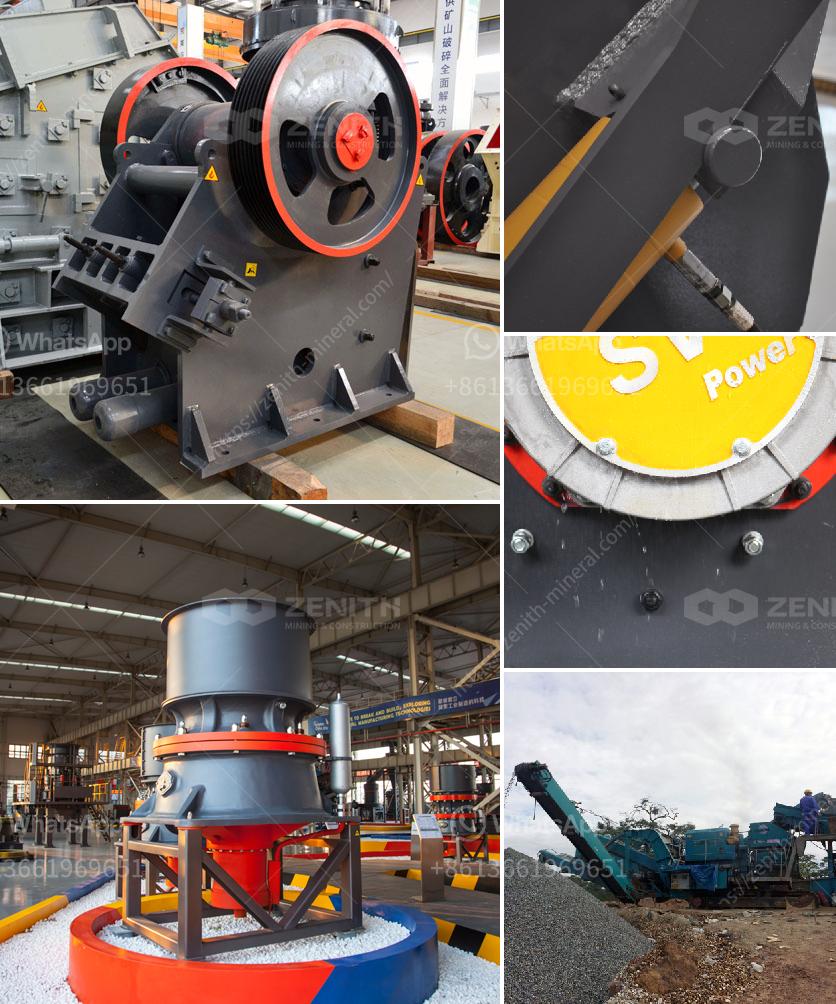


A gravel crushing machine, often referred to as a crusher, is a piece of heavy machinery used in the mining and construction industries to break down large rocks into smaller, more manageable pieces. The process of crushing gravel involves several stages and different types of equipment, each designed to handle specific tasks. Here’s a detailed explanation of how a crushing machine crushes gravel:
The process begins with the raw material being fed into the crusher. This is typically done using a vibrating feeder, which ensures a steady and controlled flow of material into the machine. The feeder helps to prevent overloading and ensures that the crusher operates efficiently.
The first stage of crushing is known as primary crushing. This is where the largest rocks are broken down into smaller pieces. The primary crusher is usually a jaw crusher or a gyratory crusher.
After primary crushing, the material is typically conveyed to a secondary crusher for further reduction. Secondary crushers can be cone crushers, impact crushers, or hammer crushers.
Once the material has been through the primary and secondary crushers, it is typically screened to separate it into different size fractions. This is done using vibrating screens, which have different sized openings to allow smaller particles to pass through while larger particles are retained for further crushing.
For finer material, a tertiary crusher may be used. This stage further reduces the size of the material to meet specific requirements. Tertiary crushers can be similar to secondary crushers, such as cone crushers or impact crushers, but they are often designed to produce finer output.
After the tertiary crushing stage, the material is often screened again to ensure it meets the desired specifications. In some cases, the material may also be washed to remove any remaining dust or impurities. This is typically done using a washing plant, which sprays water over the material as it moves along a conveyor belt.
The final step in the process is stockpiling the crushed gravel. The material is transported to a storage area where it is piled up and ready for use in construction projects or further processing.
In summary, a gravel crushing machine works by feeding raw material into the crusher, where it undergoes primary, secondary, and sometimes tertiary crushing stages. The material is screened and possibly washed to ensure it meets the desired specifications before being stockpiled for use. Each stage of the process involves different types of equipment, each designed to handle specific tasks and produce the desired output.