

An artificial sand making production line is a series of equipment and procedures used for producing artificial sand. The primary goal of this process is to create high-quality artificial sand that can be used for construction purposes. Here are the main components and steps involved in an artificial sand making production line:
Feeding: Raw materials such as ore, rocks, or stones are fed into the crushing machinery through a vibrating feeder.
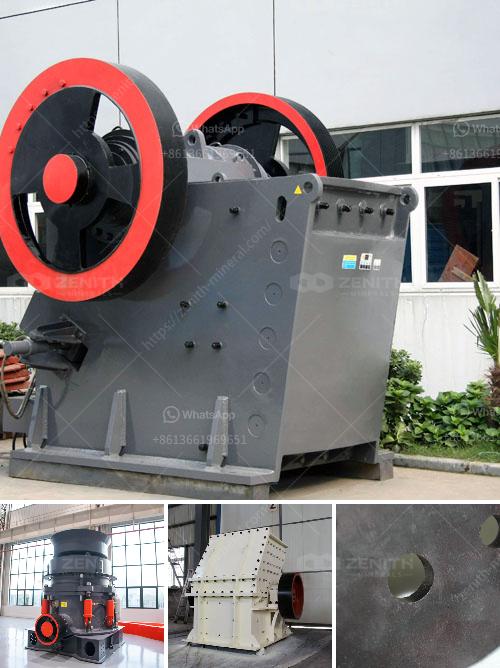
Crushing: Primary and secondary crushers break down the large rocks into smaller pieces. Typical machines used include jaw crushers and impact crushers.
Sand Making: The smaller pieces are then processed by sand making machines (also known as vertical shaft impact crushers). These machines further crush and shape the materials into fine sand particles.
Screening: The sand particles are passed through vibrating screens to separate different sizes. Oversized particles are sent back for further crushing, while the correctly sized particles move on to the next stage.
Washing: The screened sand may go through a sand washing machine to remove impurities like clay, dust, and other fine materials. This step ensures the final product meets the required quality standards.
Drying (optional): In some cases, the washed sand might need to be dried to achieve the required moisture content.
Storage and Transport: Finally, the sand is stored in silos or stockpiled and then transported to its end destination for use in construction projects.
By setting up an artificial sand making production line, companies can ensure a stable supply of high-quality sand, which can enhance the durability and performance of their construction projects.