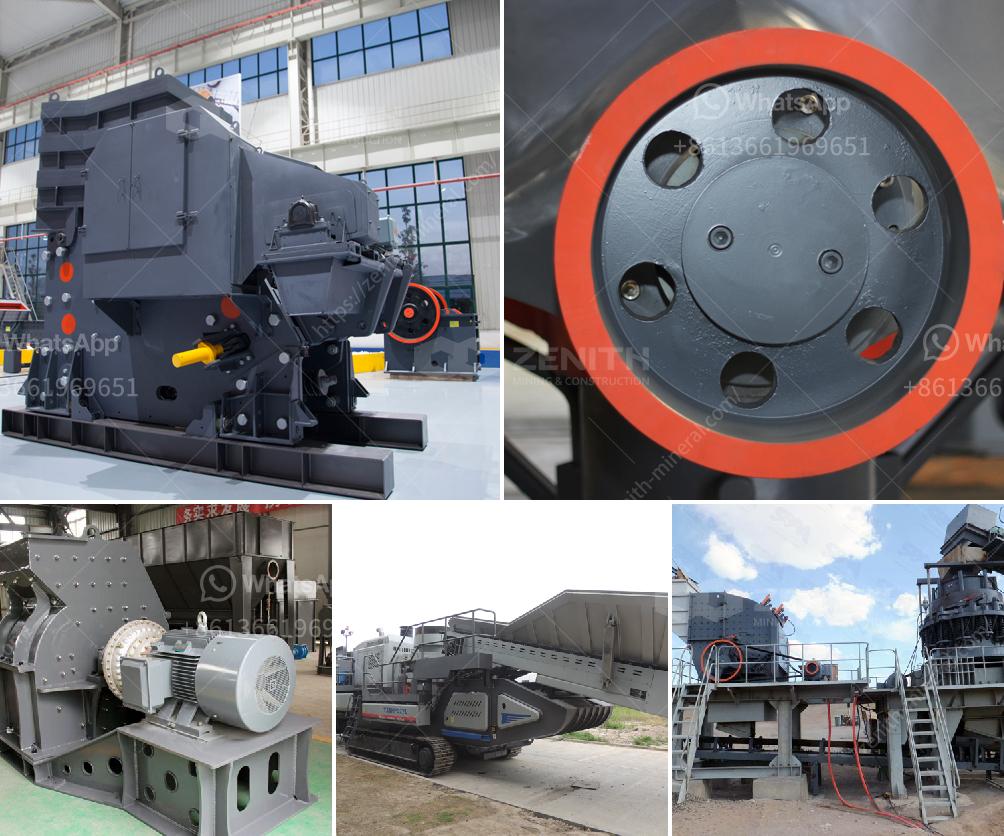
Designing a primary jaw crusher involves several key factors to ensure efficiency, durability, and functionality. Here are some fundamental aspects to consider:
1. Material Properties:
- Type of stone: Determine the hardness, abrasiveness, and moisture content.
- Size and Gradation of Feed: Ensure the crusher can handle the input size and desired output size.
2. Crusher Geometry:
- Jaw Plate Profile: Choose an appropriate profile (e.g., flat, ribbed) for the desired material and size reduction.
- Crushing Chamber: Optimize the shape and angle to maximize throughput while minimizing wear.
- Feed Opening: Design it to allow easy intake of large boulders.
3. Mechanical Components:
- Eccentric Shaft: Ensure the robust design of the movable jaw’s pivot point.
- Toggle Plates: Use durable materials to resist wear and provide the necessary crushing force.
- Flywheels: Calculate the correct size for energy storage and smoother operation.
4. Safety and Maintenance:
- Safety Mechanisms: Include fail-safes to protect operators and the machine, such as overload protection.
- Ease of Maintenance: Design for easy access to wear parts for replacement and routine maintenance.
5. Power System:
- Drive System: Choose between electric motor or diesel engine based on site conditions.
- Hydraulic System: Include for quick setting adjustments and machine protection.
6. Operational Considerations:
- Capacity: Align the crusher’s capacity with the requirements of the processing plant.
- Operating Conditions: Factor in the environmental conditions like dust, temperature, and vibration.
7. Environmental and Regulatory Factors:
- Noise and Dust Control: Implement solutions to minimize environmental impact and comply with regulations.
- Energy Efficiency: Design with energy-saving components and systems to reduce operational costs.
Example Layout:
- Feeder: A vibrating feeder to ensure a consistent feed.
- Primary Jaw Crusher: Robustly constructed with specified dimensions to handle the required throughput.
- Discharge Conveyor: Properly aligned for seamless material transfer to secondary crushers or storage.
These elements combined will result in a primary jaw crusher that is efficient, durable, and suitable for the intended application.