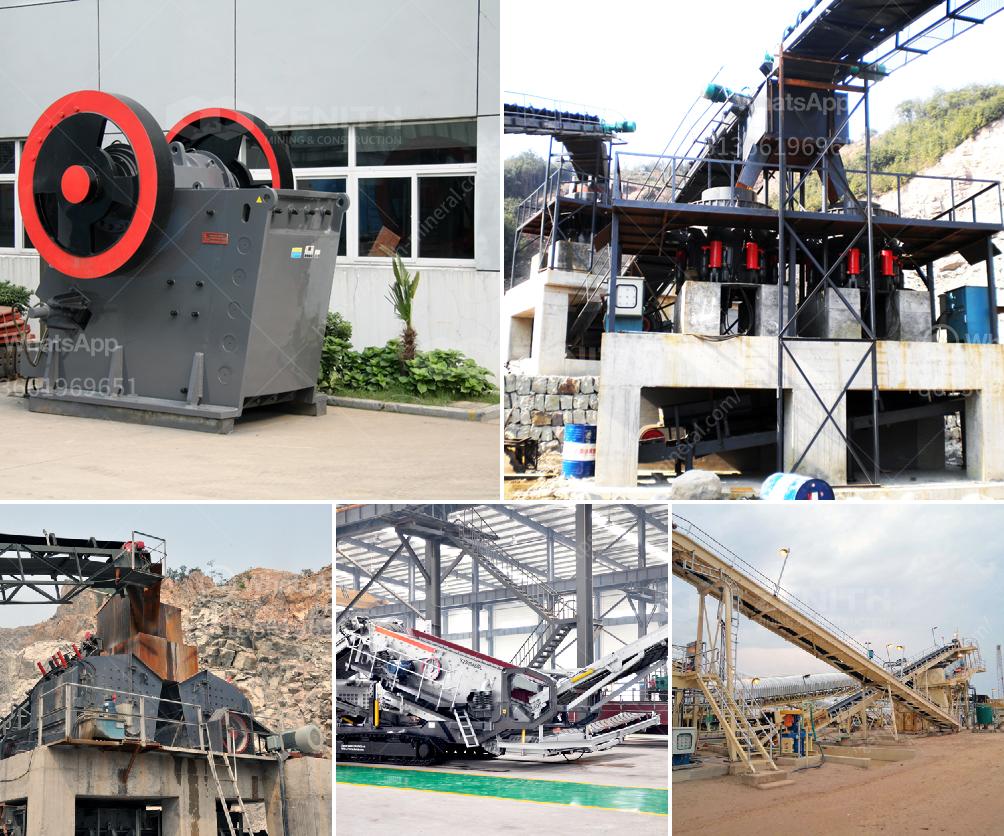


The cost of making sand from rocks can vary depending on several factors, such as the type of rock, the equipment used, the scale of production, and the geographic location. Here's a general breakdown of potential costs:
Raw Materials: The cost of the raw rock material can vary based on its type (e.g., granite, limestone) and quality. Some regions might have rocks that are easier or more economical to obtain.
Crushing Equipment: The primary expense is the machinery required to crush the rocks into sand. This includes:
Energy Costs: Running the machinery requires significant power, which can contribute substantially to operational costs. Energy efficiency of equipment can play a big role here.
Labor Costs: Costs for skilled operators, technicians for maintenance, and other labor involved in handling and processing.
Transportation Costs: Logistics of transporting the raw material to the crushing site and the final sand product to the market.
Permits and Licenses: Legal permissions and environmental compliance can add to the cost, varying greatly by region.
Overhead Expenses: Costs that might include site rent, insurance, administrative costs, and other indirect expenses.
Given these variables, providing a precise cost without specifics is challenging. However, for a rough estimate, production costs can range from $7 to $30 per ton, though high-precision or specialty sands might incur additional costs. For exact figures, it would be necessary to get quotes from equipment suppliers, check local labor rates, and consider all the mentioned factors in detail.