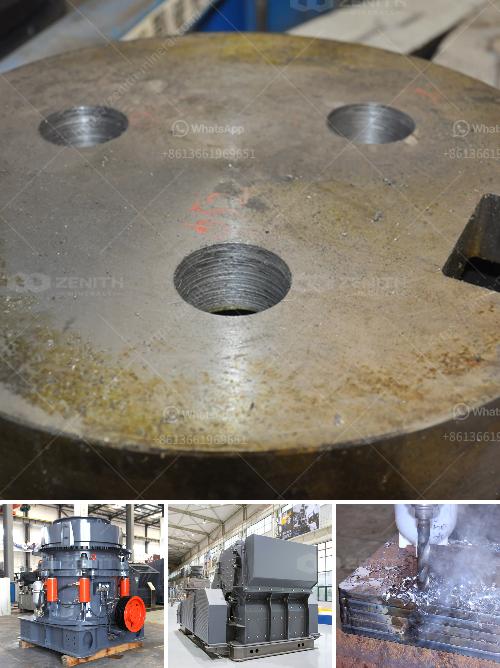
Detecting the wear of a ball mill lining is crucial for maintaining optimal performance and avoiding costly downtime. Here are the steps to monitor and assess the wear on ball mill linings:
-
Visual Inspection:
- Regular Intervals: Conduct visual inspections at scheduled maintenance intervals to look for obvious signs of wear.
- Liner Condition: Check for cracks, chips, or excessive wear and tear on the lining surface.
- Bolt Integrity: Ensure that all bolts are secure and show no signs of wear or loosening.
-
Ultrasonic Testing:
- Thickness Measurement: Use ultrasonic thickness gauges to measure the liner thickness. This helps in identifying thinning areas that indicate wear.
- Calibrated Equipment: Ensure the ultrasonic gauge is calibrated correctly for accurate measurements.
-
Wear Markers:
- Embedded Indicators: Some liners have wear markers (indicator holes or grooves) that become visible when the liner thickness has reduced to a critical level.
- Monitor Regularly: Frequently check these indicators to assess the wear rate.
-
Impact and Vibration Analysis:
- Vibration Sensors: Attach vibration sensors to the mill to detect changes in vibration patterns, which can indicate liner wear or damage.
- Data Analysis: Analyze vibration data for anomalies that reflect wear progression.
-
Mill Performance Indicators:
- Power Consumption: Monitor changes in the power consumption of the mill. Increased power consumption can indicate higher resistance due to wear.
- Grinding Efficiency: Observe the efficiency of the grinding process. Reduced efficiency can be a sign of worn liners affecting the grinding action.
-
Mapping Technology:
- Laser Scanning: Use laser scanning technology to create a 3D map of the mill interior and the liners. This can precisely measure wear patterns and liner profiles.
- Comparison Over Time: Compare scans over time to quantify wear rates accurately.
-
Ball Scrap Analysis:
- Examining Grinding Media: Regularly inspect grinding balls for unusual wear patterns or excessive breakage, which can indicate liner issues.
- Mill Discharge Samples: Analyze the material coming out of the mill for changes in granulation or unexpected debris, which might signal liner degradation.
-
Automated Wear Monitoring Systems:
- Installation of Systems: Invest in automated wear monitoring systems that provide real-time data on liner wear, minimizing the need for manual inspections.
By combining these methods, you can accurately detect and monitor the wear on ball mill linings, ensuring timely maintenance and optimal mill performance.