Bauxite is mined and processed into alumina through a series of steps. Here’s an overview of the process:
-
Bauxite Mining:
- Exploration and Quarrying: Bauxite is usually found near the surface, typically covered by a thin layer of overburden (soil and rocks). Once a suitable deposit is identified, mining operations begin with the removal of this overburden.
- Extraction: Heavy machinery like excavators and trucks are used to extract the bauxite ore from the earth. The ore is then transported to a crushing or washing plant where it is broken down into smaller pieces and cleaned to remove impurities.
-
Crushing and Grinding:
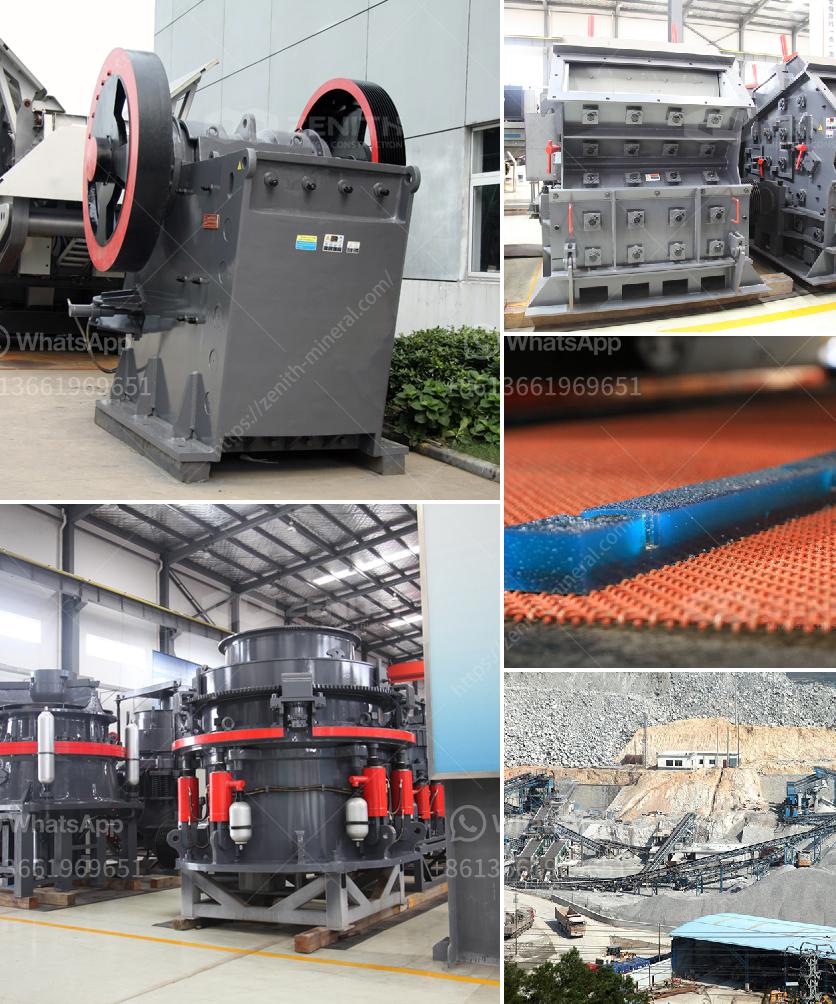
- Primary Crushing: The large bauxite lumps are first broken down into smaller pieces by crushers.
- Grinding: The smaller pieces of bauxite are ground into a fine powder in ball mills or rod mills to prepare them for the next stage of processing.
-
Bayer Process (Refining Bauxite to Alumina):
- Digestion: The ground bauxite is mixed with a hot, concentrated solution of sodium hydroxide (caustic soda). This mixture is then heated in high-pressure tanks known as digesters. During this process, the sodium hydroxide reacts with the bauxite to form sodium aluminate while leaving behind impurities as a residue known as red mud.
- Clarification: The resulting slurry from the digestion process is allowed to settle. The sodium aluminate solution rises to the top and is separated from the red mud which is then washed and disposed of.
- Precipitation: The sodium aluminate solution is cooled and seeded with crystals of aluminum hydroxide. Over time, aluminum hydroxide precipitates out of the solution.
- Calcination: The aluminum hydroxide is then heated in rotary kilns or fluidized bed calciners at temperatures around 1000°C to 1100°C. This removes the water and converts the aluminum hydroxide into alumina (aluminum oxide, Al2O3).
-
Alumina Handling and Storage:
- Once calcined, the alumina is cooled and transported, often in the form of a white powder, to storage facilities. It is then ready to be shipped to aluminum smelters, where it will be further processed into aluminum metal through electrolytic reduction (Hall-Héroult process).
This entire process ensures that the bauxite ore is refined into high-purity alumina, which is crucial for producing aluminum metal.