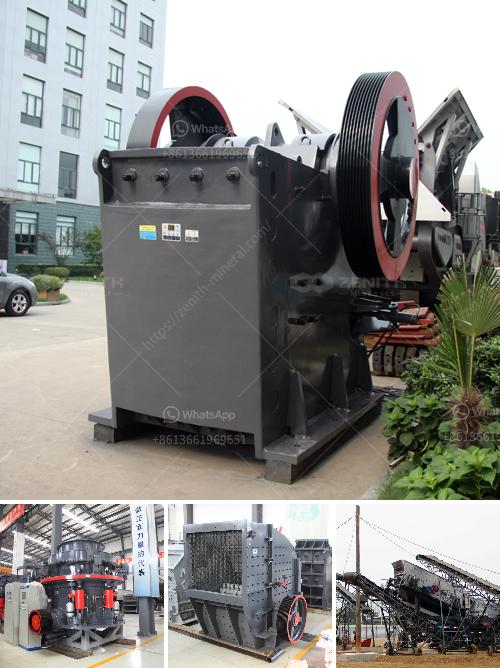
Designing the layout of a ball mill in conjunction with stamp mills for a gold mining operation involves several key considerations to optimize efficiency and ensure seamless operations. Here’s a step-by-step guide to assist you:
Preliminary Planning
- Site Survey: Conduct a comprehensive survey of the site to understand the topography, soil stability, and existing infrastructure.
- Space Allocation: Determine the area required for the ball mill and the stamp mills. Consider future scalability and expansions.
Basic Layout Considerations
- Ore Feed System: Position the ball mill and stamp mills relative to the ore feed system, such as primary crushers and ore storage bins, ensuring a smooth flow of material.
- Proximity to Power Supply: Ensure the mills are situated close to power sources to minimize power loss and installation costs.
- Foundation Design: Both mills need robust foundations; consult with civil engineers for specific design requirements based on local soil conditions.
Detailed Arrangement
- Stamp Mill Placement: Typically, stamp mills are used before the ball mill in the milling process. Arrange the stamp mills in series to crush ore to a size that can be fed into the ball mill.
- Ensure an appropriate distance between each stamp mill for maintenance access.
- Equip each stamp mill with a chute or conveyor system to transport crushed ore to the ball mill.
- Ball Mill Placement: Position the ball mill downstream of the stamp mills.
- The ball mill should have easy access for loading and unloading materials.
- Install proper ventilation to manage dust and heat generated during milling.
- Ensure it's positioned for easy integration with the classification equipment (e.g., spiral classifiers or hydrocyclones).
Supporting Infrastructure
- Water Supply and Handling: Ensure a reliable water supply is available for both the stamp mills and the ball mill.
- Set up an efficient water recycling system to reduce water consumption and manage waste.
- Waste Management: Design tailings and waste management systems closely, ensuring environmental regulations are met.
- Locate waste disposal sites away from mills to prevent contamination and interference with operations.
- Safety and Accessibility: Provide clear access routes for maintenance personnel and emergency services.
- Install safety barriers and signage around high-risk areas.
- Incorporate fire suppression systems where necessary.
Integration with Overall Operations
- Control Room: Locate the control room at a vantage point where operators can oversee the entire milling operation visually and via surveillance systems.
- Storage Facilities: Position raw material bins, chemical storage (for cyanidation if used in gold recovery), and other essential supplies in proximity to minimize handling.
Final Checks
- Compliance and Approvals: Ensure the layout complies with all relevant mining regulations and environmental guidelines.
- Optimization and Testing: Before full-scale operation, conduct test runs to ensure all systems are functioning efficiently and make adjustments as needed.
Example Layout:
Ore Feed -> Crusher -> Stamp Mills -> Conveyors -> Ball Mill -> Classifier -> Tailings/Waste Disposal
                   |             |          |                     |             |
                (Water Supply) (Water Supply)                 (Water Supply) (Control Room)
                        (Maintenance Access & Safety)
By carefully planning and executing the layout, you can achieve a more efficient and productive gold milling operation.