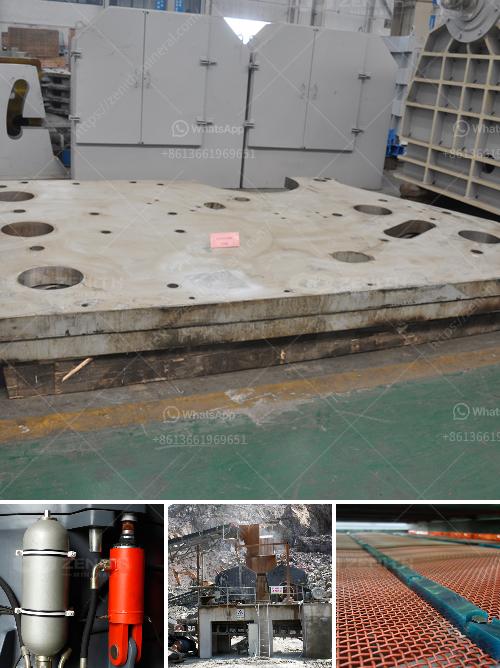
Sure, here’s a basic guide on how to crush stone to get aggregate:
1. Understand Aggregate Sizes and Grades
- Sizes: Aggregate sizes can range from fine particles like sand to larger rocks.
- Grades: Different projects require different grades. Check what grade you need for your project.
2. Safety First
- Personal Protective Equipment (PPE): Wear safety glasses, gloves, ear protection, and dust masks.
- Secure Area: Ensure the crushing area is cordoned off to prevent accidents.
3. Prepare Equipment
- Primary Crusher: Choose a primary crusher like a jaw crusher to break down the larger stones.
- Secondary Crusher: Use a cone crusher or impact crusher for finer crushing.
- Screening Equipment: Use vibratory screens to separate the crushed stones into the desired sizes.
4. Crushing Process
- Feed the Stone: Load the stone into the primary crusher. Use a feeder or a conveyor belt to ensure a constant feed.
- Primary Crushing: The jaw crusher will reduce the stone to a manageable size.
- Secondary Crushing: Move the crushed stone to the secondary crusher. Adjust the settings to achieve the desired size.
- Screening: Pass the crushed stone through vibratory screens. Separate the different sizes of aggregate.
- Re-Crushing: Any oversized stones coming from the screen can be fed back into the secondary crusher for further reduction.
5. Quality Control
- Inspect Aggregate: Ensure the final product meets the required specifications.
- Test Samples: Conduct regular tests to verify consistency and quality.
6. Final Check
- Safety Inspection: Ensure all equipment is shut down and secured.
- Clean Area: Remove any debris and maintain a clean and orderly work site.
Remember that your specific process and equipment may vary based on the type of stone and the desired aggregate size. Always follow the manufacturer’s guidelines for operating crushing equipment.