Separating gold from ore involves a combination of physical and chemical processes typically used in mining. Here’s a general guide:
-
Crushing and Grinding:
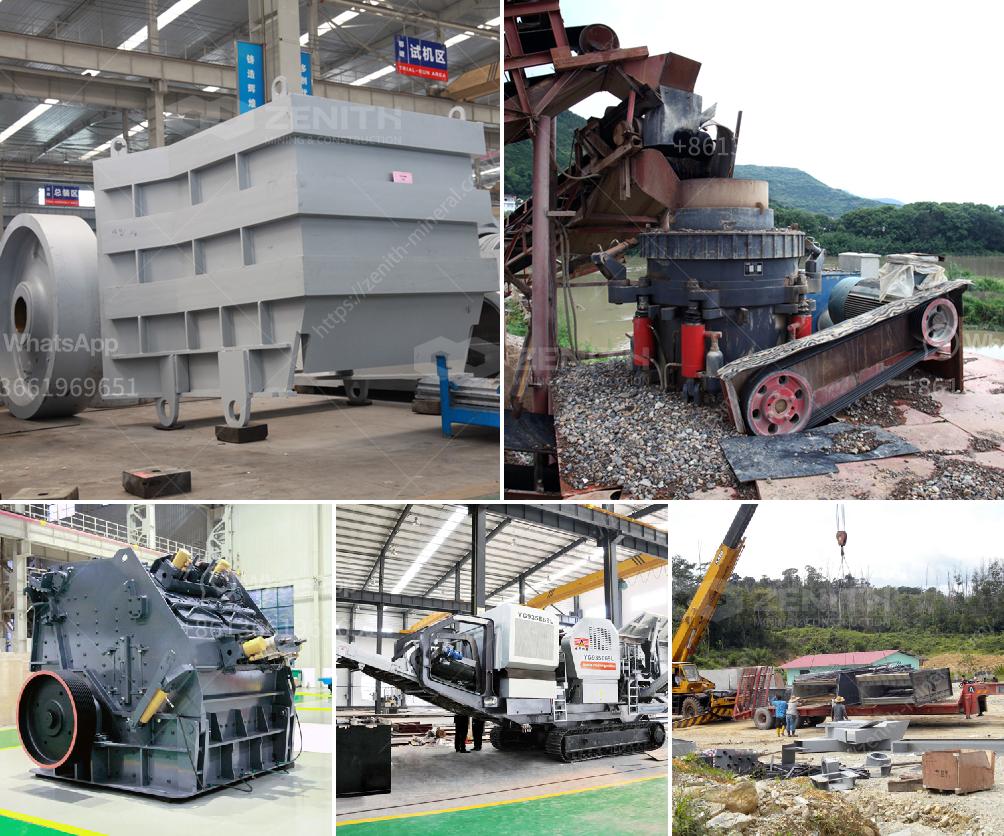
- Crushing: Gold ore is first crushed using jaw crushers or impact mills to break down large rocks into smaller pieces.
- Grinding: The crushed ore is then ground into a fine powder using ball mills or similar devices.
-
Concentration:
- Gravity Concentration: Heavier gold particles are separated from lighter materials by using gravity-based methods such as sluice boxes, jigs, or shaking tables.
- Flotation: In some cases, chemicals are added to a slurry of ground ore where air bubbles are introduced. Gold particles cling to the bubbles and rise to the surface, forming a froth that can be skimmed off.
-
Amalgamation:
- Mercury is sometimes used to form an amalgam with gold, separating it from other minerals. This method is less common due to environmental and health concerns.
-
Cyanidation:
- Heap Leaching: Piles of gold-bearing ore are treated with a cyanide solution which percolates through the heap, dissolving the gold.
- Carbon-in-Pulp (CIP)/Carbon-in-Leach (CIL): Ground ore is mixed with a cyanide solution in tanks where activated carbon adsorbs the dissolved gold. The gold-loaded carbon is then separated from the slurry.
-
Electrowinning:
- The gold-cyanide complex is removed from the carbon and then subjected to electrowinning, where an electric current passes through the solution causing gold to deposit onto a cathode.
-
Smelting:
- The gold obtained from electrowinning or amalgamation is then smelted at high temperatures to purify it. Fluxes may be added to improve the purity.
-
Refining:
- Finally, the gold is further refined if necessary, often using methods like the Miller or Wohlwill processes to achieve high purity.
Safety and environmental precautions are essential throughout the process, especially when using chemicals like cyanide or mercury. Always ensure compliance with local regulations and guidelines.