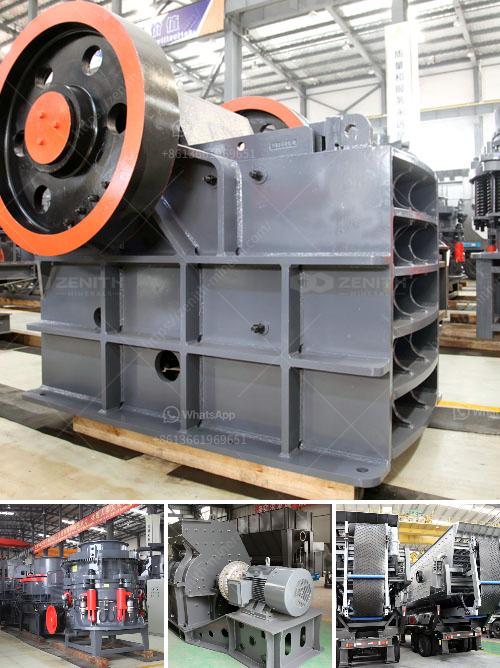
Building gold mining equipment can be a complex process that varies depending on the type of equipment you're looking to build. Generally, most gold mining operations rely on specific tools such as sluice boxes, dredges, or trommels. Here’s a basic overview of how you might go about constructing a sluice box, which is one of the simpler and more common tools used in gold mining:
Sluice Box Construction Steps:
Materials Needed:
- Wood or metal frame (Common materials for the box itself are aluminum, steel, or wood)
- Riffles (These are placed inside the sluice box to create turbulence in the water current to trap gold)
- Mesh or expanded metal (To catch finer particles of gold)
- Nails or screws (For assembly if using wood)
- Matting (Such as miners moss or rubber matting to line the bottom of the sluice to catch gold)
- Sealant (If using wood to waterproof it)
Tools Needed:
- Saw (If using wood)
- Drill and drill bits
- Measuring tape
- Hammer
- Level
Instructions:
-
Design and Measure:
- Decide on the dimensions of your sluice box. A common size might be around 30-36 inches long, 6-12 inches wide, and 2-6 inches deep.
-
Frame Construction:
- Cut your chosen material to size based on your measurements. If using wood, cut the side panels, end panels, and base.
-
Assembly:
- Assemble the frame by attaching the side panels to the base, then attaching the end panels. If using wood, use screws or nails and make sure everything is securely fastened.
- If using metal, welding might be required.
-
Installing Riffles and Mesh:
- Install riffles evenly across the bottom of the sluice box top to allow water to flow over them. These should be angled downstream.
- Place the mesh or expanded metal over the riffles to help catch finer particles.
-
Matting Installation:
- Lay your chosen matting material at the bottom of the sluice box under the riffles. This matting will trap fine gold particles. Ensure it fits snugly.
-
Sealing (if needed):
- If you used wood, apply a waterproof sealant to all surfaces to protect the box and prolong its life.
-
Testing and Adjustments:
- Once assembled, place the sluice box in a stream or other water source. Adjust the angle of the sluice box to ensure a steady flow of water over the riffles. The optimal angle usually results in a 1-inch drop per foot of sluice box length.
Safety Tips:
- Always wear protective gear such as gloves and safety goggles while constructing your equipment.
- If working with tools you are unfamiliar with, read the safety manuals first.
Additional Equipment:
- Depending on your mining method, you might need additional tools like pans, buckets, dredges, or high-bankers.
Remember, detailed plans and designs are available online and in specialized books. If you're serious about mining, investing in commercial-grade equipment or educating yourself through specific courses may be beneficial.
Good luck with your gold mining adventure!