Starting a small quarry in Nigeria involves several steps and considerations, including legal, financial, and operational aspects. Here’s a detailed guide to help you understand the process and the associated costs:
1. Research and Feasibility Study
- Market Research: Understand the demand for quarry products in your target market. Identify potential customers and competitors.
- Feasibility Study: Conduct a feasibility study to assess the viability of the quarry. This includes geological surveys to determine the quality and quantity of the stone deposits.
2. Business Plan
- Executive Summary: Outline the business idea, objectives, and mission.
- Market Analysis: Detail the market demand, target customers, and competition.
- Operational Plan: Describe the quarrying process, equipment needed, and workforce requirements.
- Financial Plan: Include startup costs, operating expenses, revenue projections, and funding sources.
3. Legal Requirements
- Business Registration: Register your business with the Corporate Affairs Commission (CAC) in Nigeria.
- Mining License: Obtain a mining license from the Ministry of Mines and Steel Development. This involves submitting an application, paying fees, and meeting regulatory requirements.
- Environmental Impact Assessment (EIA): Conduct an EIA and obtain approval from the Federal Ministry of Environment. This ensures that your quarry operations will not adversely affect the environment.
4. Site Acquisition
- Land Lease or Purchase: Acquire the land where the quarry will be located. This can be done through leasing or purchasing. Ensure the land is suitable for quarrying and has the necessary mineral deposits.
- Community Engagement: Engage with the local community to gain their support and address any concerns they may have.
5. Equipment and Machinery
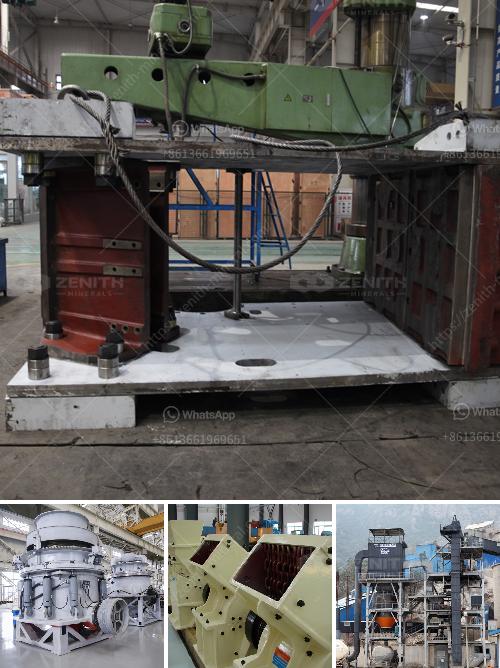
- Quarry Equipment: Purchase or lease the necessary equipment, such as excavators, loaders, crushers, and screening machines.
- Transportation: Acquire trucks and other vehicles for transporting the quarried materials.
6. Operational Setup
- Site Preparation: Clear the land, set up access roads, and prepare the site for quarrying.
- Workforce: Hire skilled and unskilled labor, including machine operators, drivers, and administrative staff.
- Safety Measures: Implement safety protocols and provide training to ensure a safe working environment.
7. Cost Breakdown
- Initial Costs:
- Land Acquisition: Costs vary depending on location and size.
- Licenses and Permits: Fees for mining licenses, EIA, and other permits.
- Equipment: Purchase or lease costs for machinery and vehicles.
- Site Preparation: Costs for clearing land and setting up infrastructure.
- Operating Costs:
- Labor: Salaries and wages for employees.
- Fuel and Maintenance: Costs for running and maintaining equipment.
- Utilities: Electricity, water, and other utilities.
- Miscellaneous: Administrative expenses, marketing, and other operational costs.
8. Funding Options
- Personal Savings: Use your own savings to fund the startup costs.
- Bank Loans: Apply for a business loan from a bank or financial institution.
- Investors: Seek investment from private investors or venture capitalists.
- Government Grants: Explore grants and incentives offered by the Nigerian government for small businesses and mining operations.
9. Marketing and Sales
- Marketing Strategy: Develop a marketing plan to promote your quarry products. This can include online marketing, local advertising, and networking with construction companies.
- Sales Channels: Establish relationships with buyers, such as construction companies, contractors, and retailers.
10. Sustainability and Growth
- Environmental Management: Implement sustainable practices to minimize environmental impact.
- Expansion Plans: Plan for future growth by exploring new markets and expanding your product range.
Conclusion
Starting a small quarry in Nigeria requires careful planning, significant investment, and adherence to legal and environmental regulations. By conducting thorough research, creating a detailed business plan, and securing the necessary licenses and funding, you can establish a successful quarrying business. The costs involved can vary widely based on factors such as location, scale of operations, and equipment choices, so it’s essential to plan and budget accordingly.