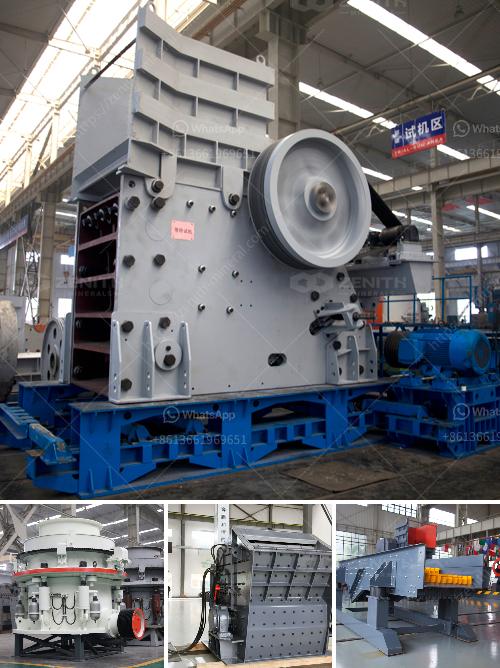
Checking the bearings of a vibrating screen is crucial for ensuring optimal performance and avoiding unscheduled downtime. Here are the steps to properly check the bearings:
-
Visual Inspection:
- Start by visually inspecting the bearings for any signs of damage, such as pitting, discoloration, or wear on the bearing raceways and rolling elements.
- Check for any signs of lubricant leakage.
-
Lubrication Check:
- Ensure that the bearings are properly lubricated according to the manufacturer's recommendations.
- Inspect the condition of the grease or oil. Contamination with dirt, dust, or metal particles indicates wear or damage.
-
Listen for Noise:
- With the machine running, listen for any unusual noises coming from the bearings. A high-pitched squeal or grinding noise can indicate bearing wear or failure.
-
Temperature Measurement:
- Use an infrared thermometer or a thermal imaging camera to check the bearing temperatures. An unusually high temperature can be a sign of bearing problems.
- Compare the temperature readings with the manufacturer's specified operating temperatures.
-
Vibration Analysis:
- Conduct a vibration analysis to detect any abnormal vibrations. An increase in vibration levels can signify bearing damage or misalignment.
- Use a vibration meter or a more advanced vibration analysis tool to get detailed frequency data.
-
Rotation and Play Check:
- Manually rotate the bearing to feel for smooth operation.
- Check for excessive play or movement in the bearings, which indicates wear.
-
Disassembly and Closer Inspection:
- If any issues are found during the preliminary inspection, disassemble the bearing assembly for a closer look.
- Inspect the bearing races, balls or rollers, and cages for signs of damage.
-
Cleaning and Re-lubrication (if needed):
- Clean the bearing thoroughly to remove any contaminants.
- Apply fresh, clean lubricant and reassemble the bearing.
-
Documentation:
- Keep a detailed log of the inspection results, including any identified issues, corrective actions taken, and the condition of the bearings over time.
-
Regular Maintenance:
- Schedule regular maintenance and inspections to prolong the life of the bearings and ensure the continued efficient operation of the vibrating screen.
By following these steps, you can effectively monitor the condition of vibrating screen bearings and address any issues before they lead to significant downtime or equipment failure.